
First published on curbs-magazin.com
Originally published on curbs-magazin.com – now part of slickpix.de.
On May 19, 2016, the Mercedes-Benz Museum will celebrate its 10th anniversary
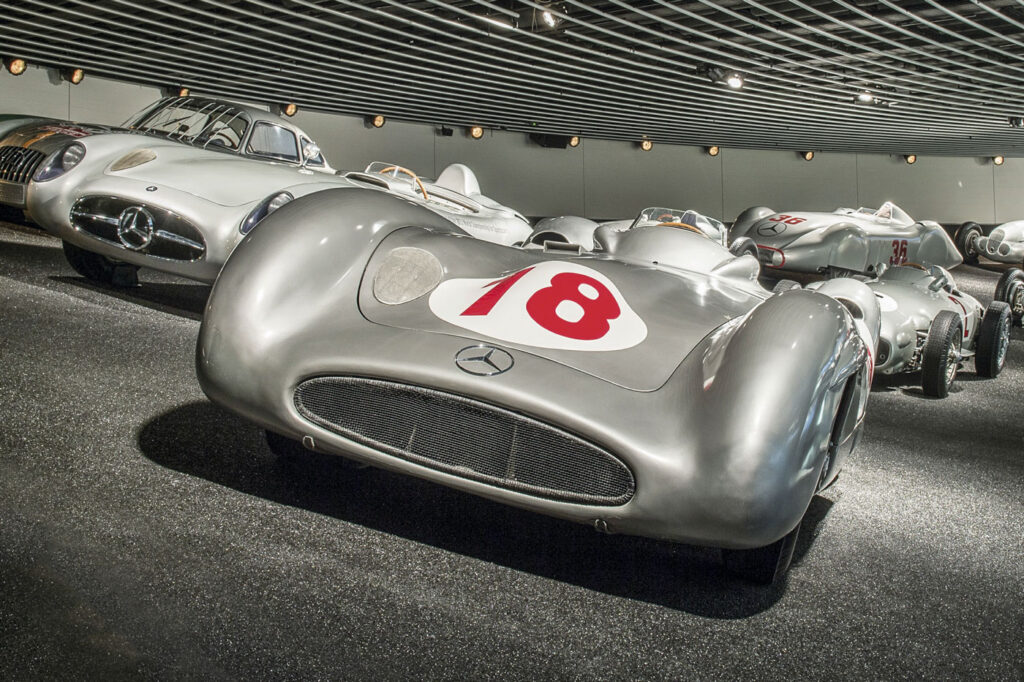
As early as the beginning of the 20th century, the predecessor companies Daimler-Motoren-Gesellschaft (DMG) and Benz & Cie. maintained historical collections that were frequently displayed in exhibitions to support their own objectives, such as patent protection. In 1923, the systematic development of such collections began; in 1936, the first museum was established to mark the 50th anniversary of the invention of the automobile; and in 1961, the first purpose-built museum—“75 Years of the Automobile”—was constructed. Now, nestled among administrative buildings and factory halls in Untertürkheim, a dedicated facility had been constructed with 42,000 cubic meters of enclosed space and 3,250 square meters of museum area, 1,200 square meters of which were exhibition space. At that time, the collection already comprised around 100 vehicles. According to company figures, visitor numbers rose sharply: there were around 95,000 in the opening year, with the one-millionth visitor welcomed in 1966 and the two-millionth in 1973. By this time, visitors were already coming from 130 countries. “100 Years of the Automobile”: In 1986, the museum underwent a comprehensive redesign featuring a new front with a continuous glass façade and a covered courtyard that expanded the enclosed space, also increasing the exhibition area to 5,760 square meters. The museum’s racing history took on special significance, now largely displayed on ramps leading from one floor to the next. This new design was developed by architects Dieter Hermann, Knut Lohrer, and HG Merz. In 2004, a new annual record was set with more than half a million visitors. By that time, however, the decision had already been made to build the museum’s next new facility, for the first time in front of the factory gates in Untertürkheim.
“The exhibition concept and architecture should form a perfect unity”—following a competitive bidding process involving ten international architectural firms, this was the brief for the project, which was ultimately awarded in the spring of 2002 to HG Merz Architekten Museumsgestalter Stuttgart/Berlin, led by Professor Dr.-Ing. h.c. Hans Günter Merz—a 21,000-square-meter site directly in front of the factory’s main entrance. The ambitious schedule called for an opening in 2006 to mark the “120 Years of the Automobile” anniversary. Following the laying of the cornerstone in September 2003, the location in the middle of the protected area of the Stuttgart mineral water springs and the difficult construction history—including potential contamination from World War II in the soil—were among the significant challenges.
Essentially, a project management approach that focused on digitization and standardized processes from the outset, combined with close collaboration among all participating companies in a joint project office near the construction site, ensured that the project remained on schedule. As a result, the access road was inaugurated in April 2004 and the museum’s topping-out ceremony was celebrated in March 2005; interior work began at the same time. From October to December 2005, the vehicle exhibits were brought in using a special crane system. Final touches to the exhibition design and a six-week intensive trial operation completed the last preparations—on May 19, 2006, the current Mercedes-Benz Museum was officially opened.
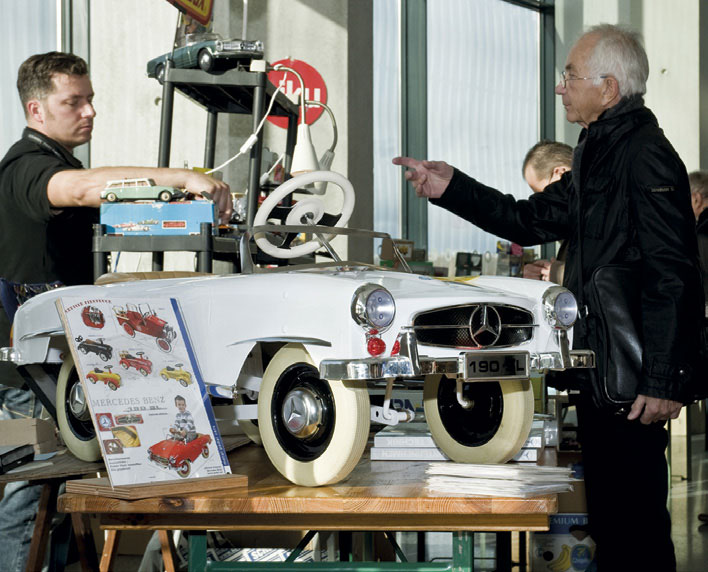
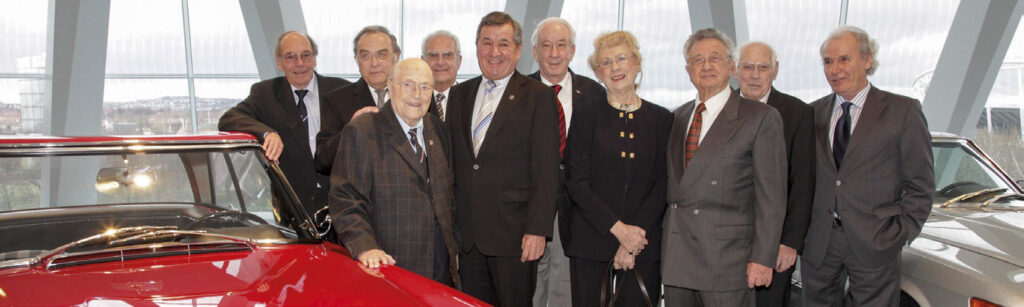
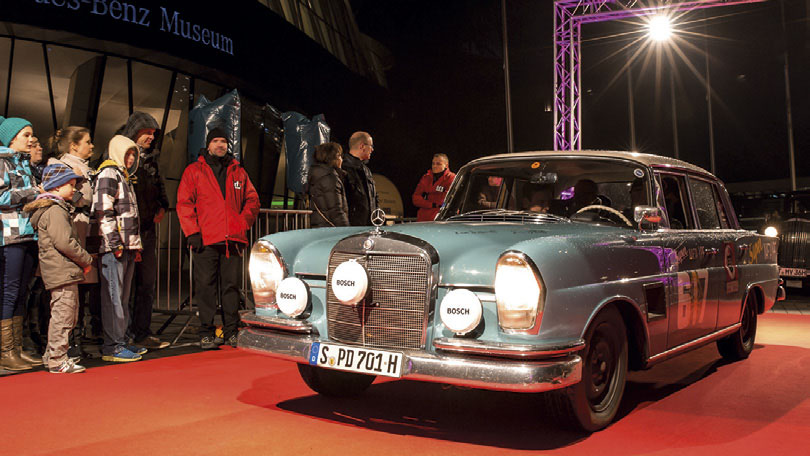
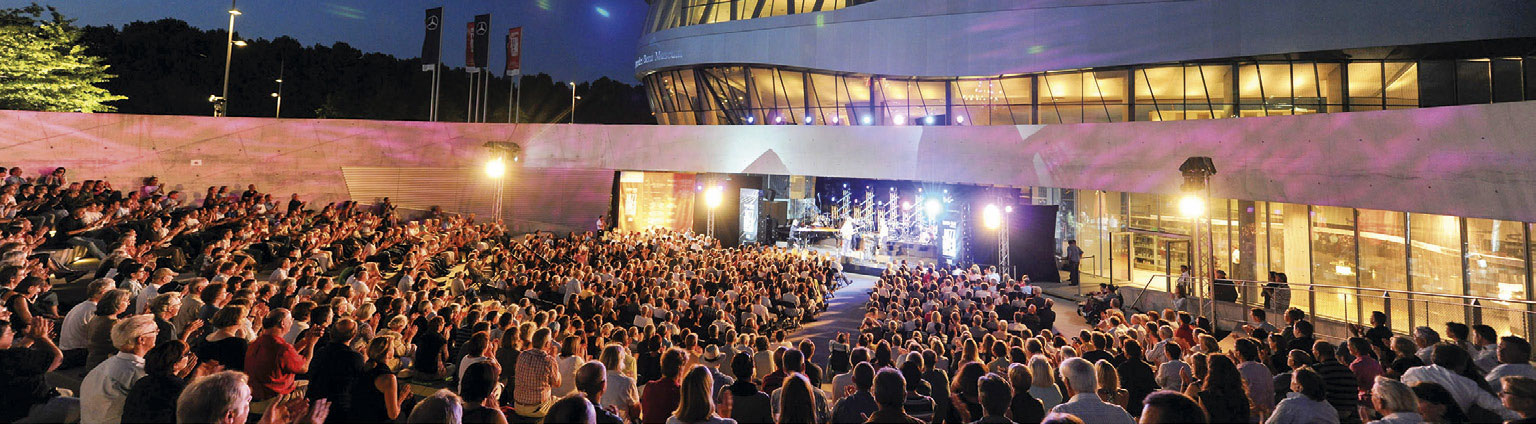
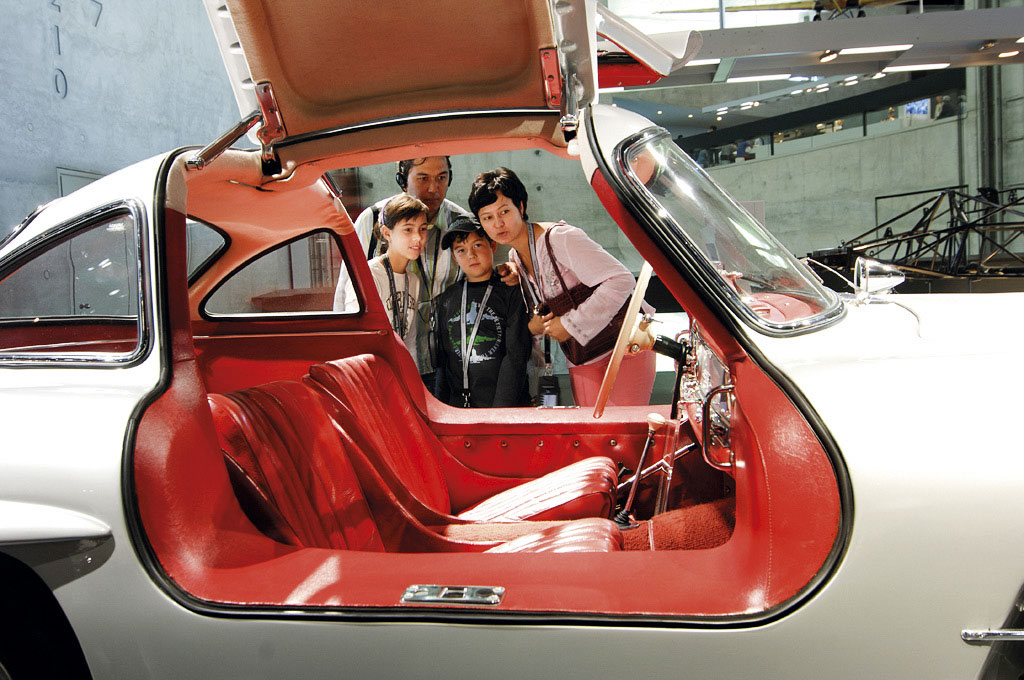
In the years that followed, the Mercedes-Benz Museum not only presented numerous special exhibitions covering topics ranging from the fringes of the automotive world (“Art & Stars & Cars”) and beyond, but also established itself as a popular cultural hub, hosting concerts and open-air movie screenings on a regular basis. UNICEF World Children’s Day was also celebrated, and regular automotive workshops for children are held. In the same year, the museum hosted its first model car collectors’ fair; in 2014 and 2015, Bonhams held two auctions here for classic Mercedes-Benz automobiles. The King and Queen of the Netherlands have visited, as have the Prince and Princess of Monaco. And time and again, the Mercedes-Benz Museum serves as a venue for gatherings and reunions on special occasions.
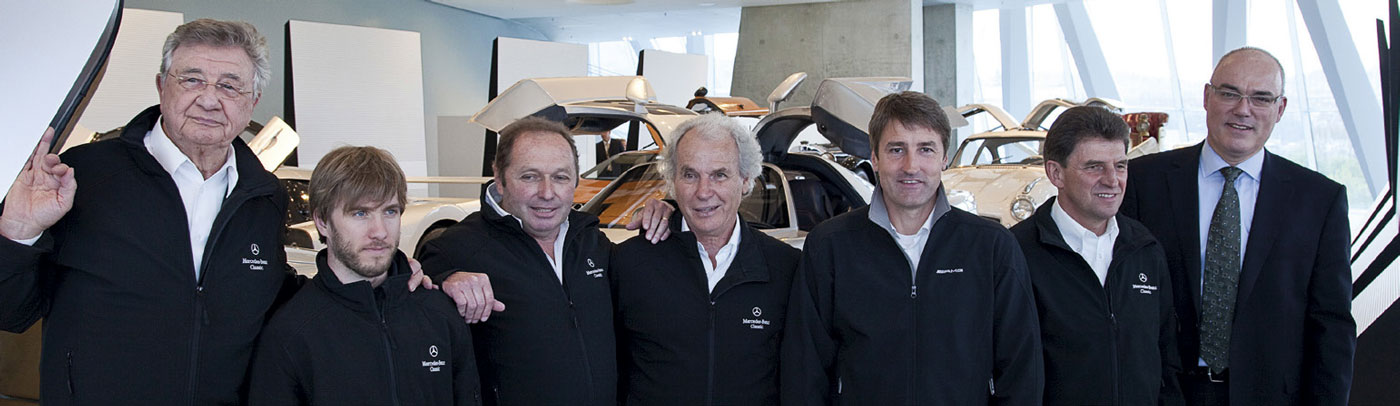
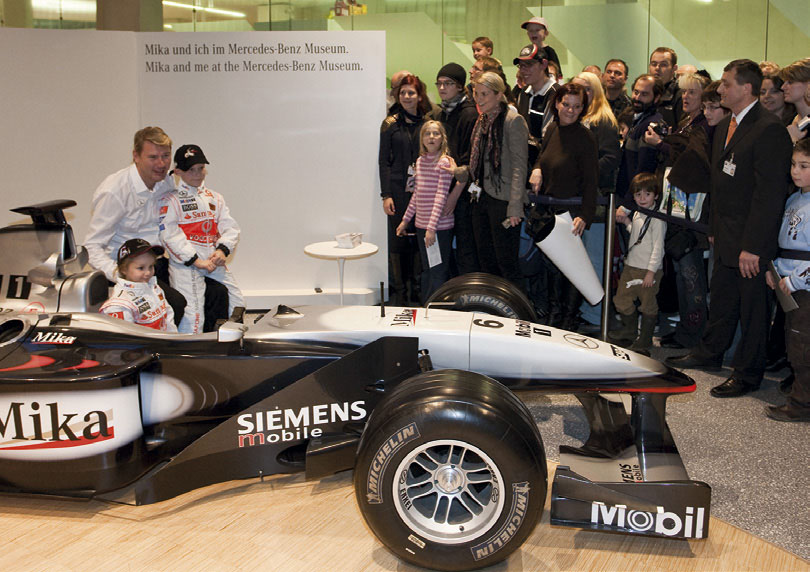
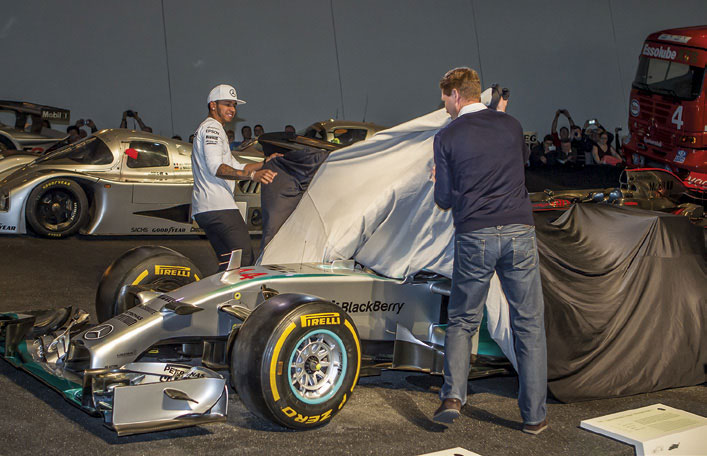
As far as motorsports are concerned, guests have included two-time Finnish Formula 1 world champion Mika Häkkinen—who raced for McLaren-Mercedes in 1998 and 1999—in 2009. In 2010, MERCEDES-AMG PETRONAS presented itself as a newly formed Formula 1 team, and on the occasion of the “Supercars” exhibition, legendary Mercedes race car drivers from motorsport history also gathered on site. In 2012, the special exhibition “Timeless – 60 Years of the Mercedes-Benz SL” was opened in the presence of Eugen Böhringer, a multiple winner of major rallies in Mercedes vehicles, on his 90th birthday (he passed away in 2013). In the fall of that same year, “Mille Miglia – Passion and Rivalry” opened and ran through January 2013. In 2014, “120 Years of Motorsport” was a major theme. At the end of 2015, Mercedes Formula 1 driver Lewis Hamilton unveiled his 2014 World Championship car in the museum’s race curve.
And an incredible number of visitors from all over the world came. According to company figures, there were 500,000 visitors just six months after opening, one million by the summer of 2007, and last winter, the park welcomed its seven-millionth visitor since opening. Forty-three percent come from abroad, with nine percent—the largest group—from China, followed by the U.S., France, Switzerland, Italy, Russia, Spain, India, Poland, and Japan.
In addition to a packed program once again this year, the Mercedes-Benz Museum has scheduled a major anniversary weekend for June 4–5, 2016, featuring numerous attractions for fans and families.