
First published on curbs-magazin.com
Originally published on curbs-magazin.com – now part of slickpix.de.

Interview with photographer Lisa Linke
We’ve already featured photographers from Germany and England in our series; a female photographer who works in both the U.S. and Germany is a rare exception!
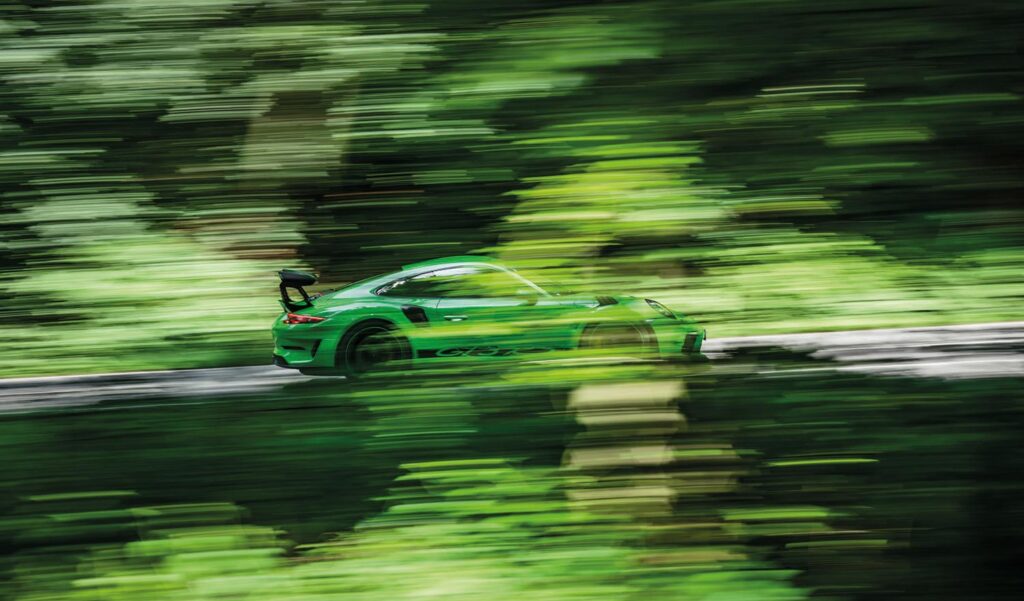
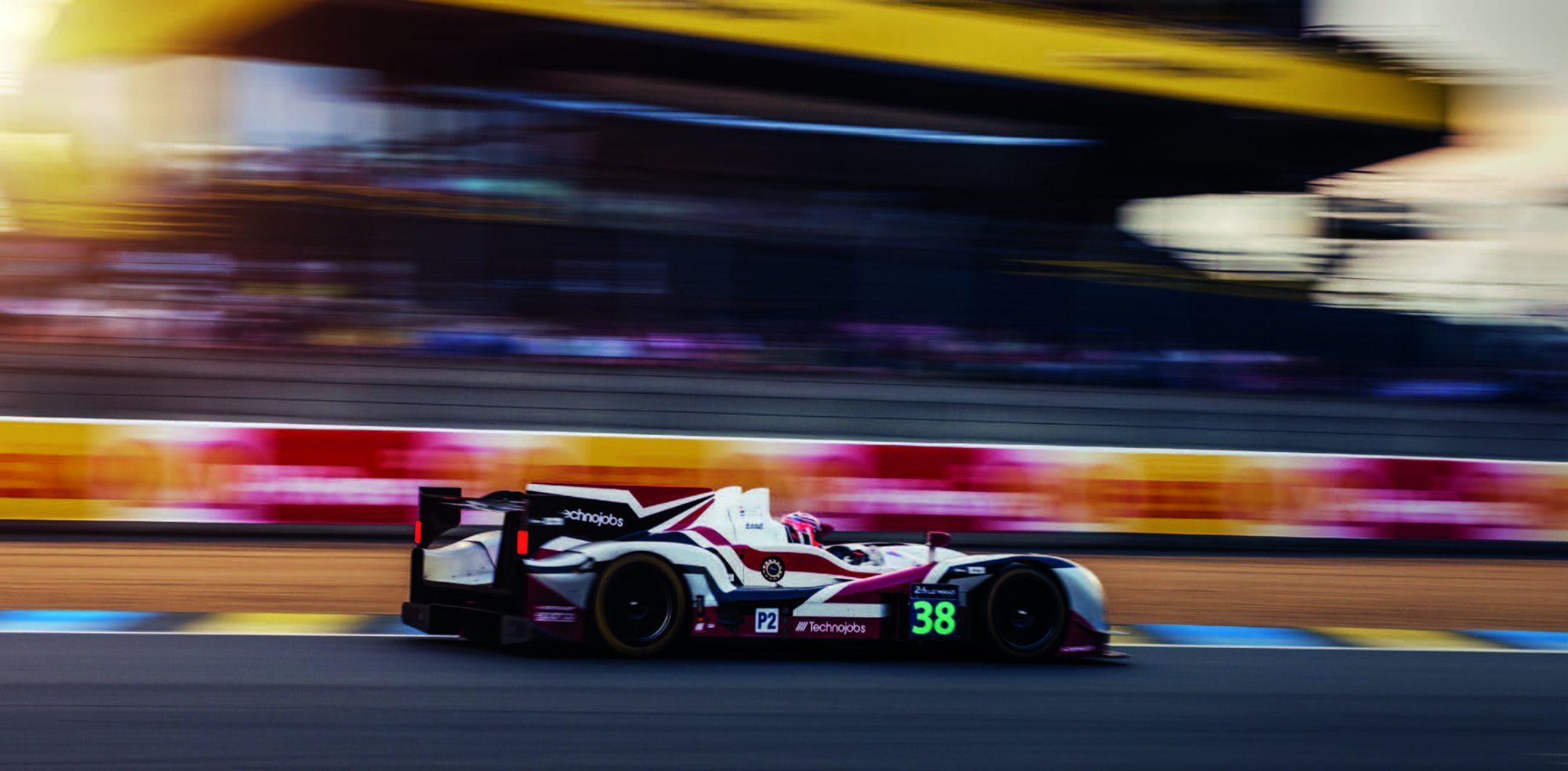
Lisa Linke discovered her love for photography while in school, and during her architecture studies, she developed an interest in motorsports and motorsports photography. During this time, Lisa traveled with her camera to the Nürburgring, Hockenheim, Le Mans, as well as Sebring and Road Atlanta. Today, Lisa Linke works in the United States as a commercial photographer and on assignment for various magazines. She is represented by agencies in New York and Hamburg.
CURBS: Your work takes you across two continents. Your agencies are based in Hamburg and New York, and you’re currently working in Los Angeles. Is it particularly stressful to be working in one place one day and another the next?
Lisa Linke It’s more of a challenge, but a very exciting one. The way people work in America is different from how they do in Germany, and of course, because the locations look so different, the style of the photos is different too.
CURBS: Are the working conditions for photographers at races in the U.S. very different from those in Europe?
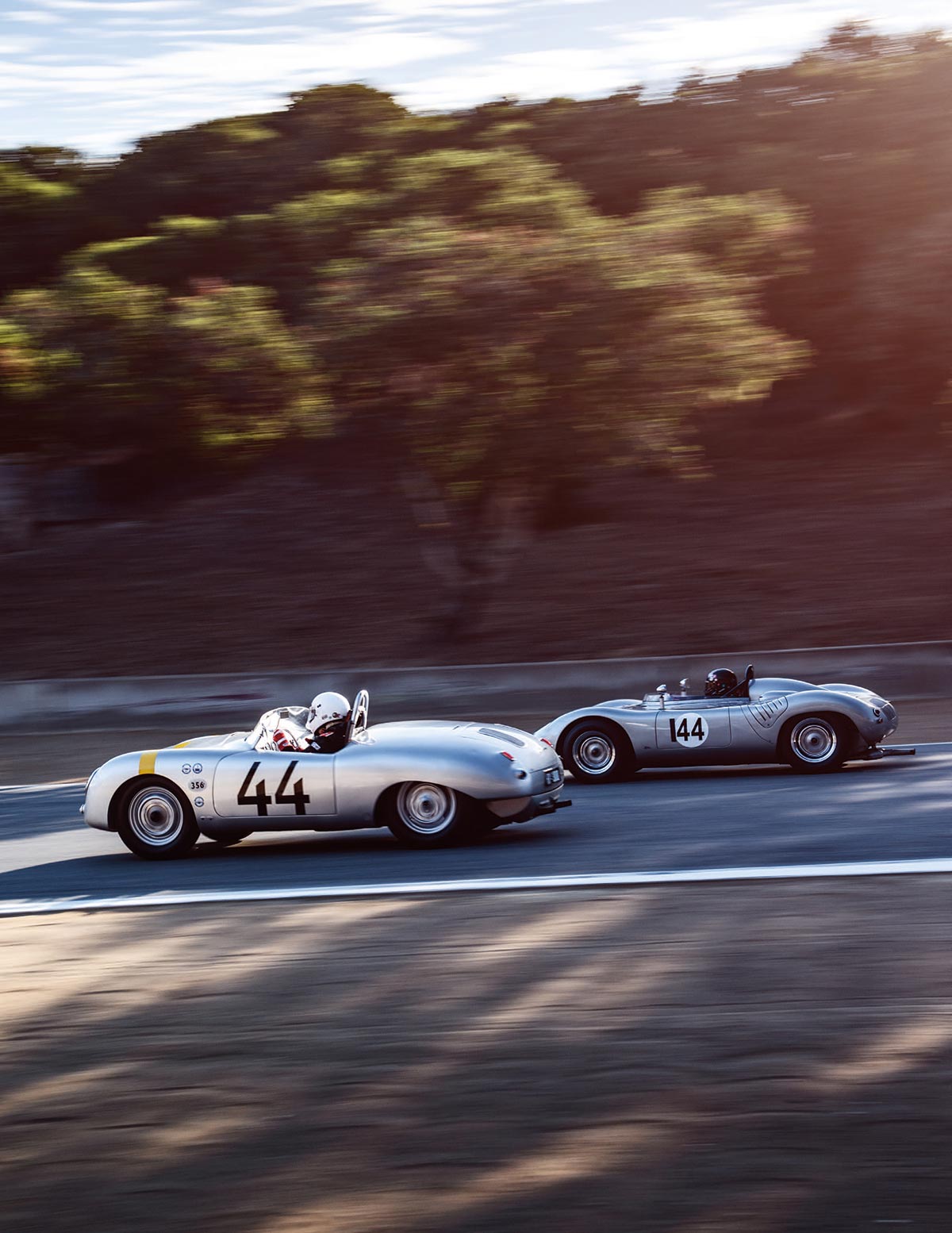
Lisa Linke I think it really depends on the event. Some events are more laid-back, and the fans are closer to the action, which means I have more freedom too. NASCAR is a good example of this, because they want the fans to be right in the thick of things.
CURBS: How did this international appearance come about in the first place?
Lisa Linke It was just like always in these kinds of situations! I got married and moved abroad because of it. My husband is also a photographer, and we met through motorsports at the Nürburgring.
CURBS: Over the past few months, I’ve noticed that while there are many female photographers, there are still relatively few who have specialized in a field dominated by men—namely, motorsports. How did you actually get into photography and come to focus on cars and motorsports?
Lisa Linke I developed a keen interest in photography at a very early age. Since I grew up near Hockenheim, I often spent time there with friends at various races and discovered my love for motorsports. The Nürburgring was particularly fascinating to me, and the 24-hour race, in particular, was one of the best experiences I’ve had at the racetrack. The sense of community and the people you meet at the track also had a major influence on my career choice.
CURBS: We talked about women in the motorsports industry. Is there actually such a thing as “female” motorsports photography? Would you be able to tell whether photos from a race were taken by a female colleague or a male colleague?
Lisa Linke I don't think there's such a thing as “female” motorsports photography. It really depends on how the photographer experiences the moment and how they see it, and that naturally determines how the subject looks. I definitely wouldn't be able to tell
whether a photo was taken by a male or female colleague. I think that’s a good thing; after all, it shouldn’t be about gender, but about the photographer’s talent and creativity—regardless of whether they’re a man or a woman.
CURBS: You work a lot in the U.S. Some trends started there and only later became popular in Europe. Do you see any trends in America today that will soon shape photography in Europe as well?
Lisa Linke German photographers are currently in high demand here in America. It’s hard for me to say what the situation is like in Germany. Here in America, there’s currently a preference for photos that look natural and authentic, rather than staged or artificial. Even if some shots are meticulously “composed,” they shouldn’t look that way.
CURBS: With today’s high-performance smartphones, every visitor to a motorsports event has at least the technical capabilities to take publishable photos. What still sets them apart from a professional photographer today?
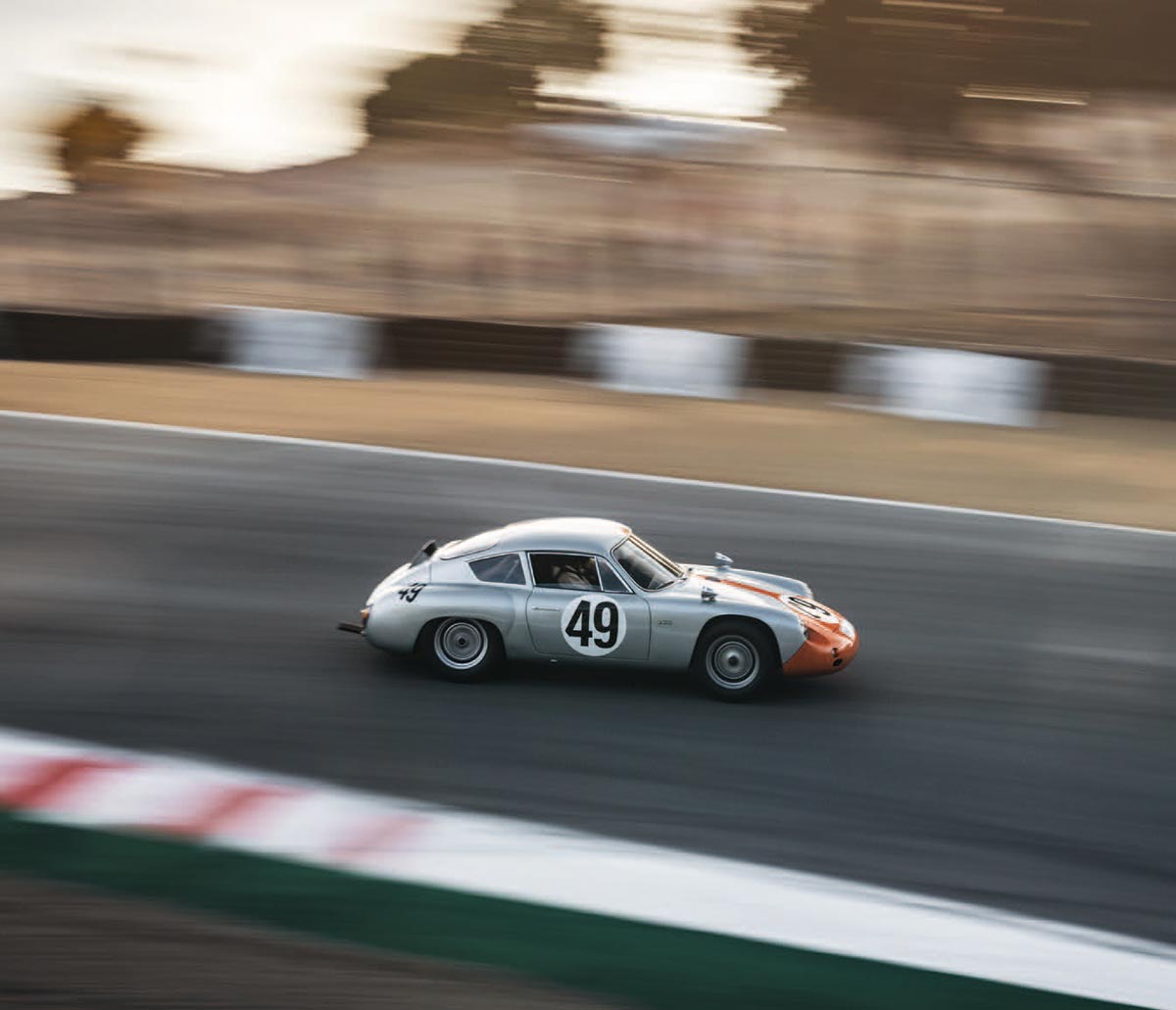
Lisa Linke Of course, you can take good pictures with a smartphone these days, but in my opinion, it’s not the same. It’s also about finding the right spot and capturing the moment perfectly. Creativity plays a big role here, too. I, at least, always try to photograph something new—even if I’ve already taken photos at that particular racetrack many times. Despite the latest technology, a smartphone can’t really keep up; I don’t think speed can be captured in the same way as with a DSLR camera.
CURBS: When you take a closer look at your motorsports photos, you get the impression that they weren’t just snapped off the cuff. It seems like the angles and lighting were carefully chosen in advance. Is that the case?
Lisa Linke To be honest, I try to choose my subjects spontaneously as often as possible. Of course, it helps to have a general idea of the race track beforehand and where you might be able to get the shot you have in mind. Still, that’s not always possible, partly because of the weather and lighting conditions. I find
it exciting to capture spontaneous moments and let yourself be surprised.
CURBS: In addition to your racing photos, you also take studio shots of cars. Isn’t that a completely different way of working? As a layperson, I imagine you have all the time in the world to fine-tune the lighting and experiment with different angles. Which working conditions do you prefer?
Lisa Linke That’s true—it’s a completely different way of working. From planning to executing the shot, it really isn’t comparable to motorsports photography in any way. However, I still try to capture everything as naturally as possible and bring that spontaneity found in motorsports to other projects as well. For example, I always try to capture reflections on the paintwork instead of lighting everything perfectly. Motorsports often allow me more creativity, but I also love working with people and carrying out a project together. That’s why I can’t really say which I prefer, because they’re simply not comparable.

CURBS: I’d like to come back to the question of trends in automotive and motorsports photography. You took photos of the 24 Hours of Nürburgring and wrote about the race. Others regularly post about their work on blogs. Recently, you’ve featured both the Lexus RC F GT3 and the extreme Toyota 4Runner in both photos and videos. Is this just a coincidence, or is it more of an opportunity to develop as a photographer?
Lisa Linke Video is becoming an increasingly important topic. I’m getting more and more requests for projects that include video, so I naturally need to make sure clients see that I can handle these kinds of projects with ease. I think it’s a great way to grow as a photographer and build an additional source of income.
CURBS: You’ve already covered many races as a photographer. Is there still an event on your “bucket list” that you’d particularly love to photograph—or maybe even compete in yourself?
Lisa Linke I think what would definitely appeal to me are various off-road races like the WRC, the Baja 1000, or other rally events. After photographing a few projects in the sand dunes, I’d really love to photograph a race that doesn’t take place on asphalt. For me, the appeal lies less in sitting behind the wheel. For me, it’s photography that makes motorsports exciting.
CURBS: We hope you have a great time on a sand dune soon!
Contact:
Lisa Linke | Commercial Photographer
www.lisa-linke.com
c/o Severin Wendeler
office@severinwendeler.com
Information for those interested:
Lisa Linke uses the following equipment for her photos:
Nikon D850 | Nikon AF-S NIKKOR 24-70mm f/2.8 ED VR Lens | Nikon AF-S NIKKOR 70-200mm f/2.8E FL ED VR Lens | Various Sigma Art Prime Lenses (35mm, 85mm) | Phase One Cameras