

First published on curbs-magazin.com
Originally published on curbs-magazin.com – now part of slickpix.de.

Hardly any reporter in Europe or elsewhere who got to know Chris Amon well at the race tracks failed to emphasize how extremely likeable, friendly, or nice he was. He proved to be uncomplicated, easy-going, and approachable, even after sensitive defeats, „and you could hardly believe he was a racing driver,“ as Eddie Guba, for example, put it in 1972, „if he showed up at a party in civilian clothes.“ The combination of carefree youth in the countryside in a dreamy corner of the world and learned good manners according to strict British standards of politeness produced Amon's attitude, for which he was particularly admired after moral lows. Even then, he calmly set his helmet aside and could put his full charm into a smile to fulfill an autograph request with attention. The sentimental eyes in an open face are said to have impressed quite a few members of the female sex. The fact that he started at the top of motorsport in Europe with almost no further development phase also quickly shaped his personality. As a quiet star without airs, who got into the race car with a certain inner distance, factual, sober, like someone going to work, he was a formative figure of his era. As a lovable unlucky charm, for whom more and more rivals secretly wished for the long-awaited Formula 1 Grand Prix victory, he played the tragic leading role.
His unlucky career in Grand Prix racing has long been the stuff of legend in this sport. He started 96 Formula 1 World Championship races, 19 times from the front row, but he only crossed the checkered flag as a winner in a Formula 1 car twice—in two non-championship races. As much as amateur philosophical considerations about this demoralizing record in relation to his gifted talent have been speculated upon, Amon's streak of bad luck in this sport did not necessarily have a pattern. It may still puzzle even the proponents of the theory that there is no such thing as bad luck. Aside from the frequently added anecdotal occurrences for embellishment, the fact is that the New Zealander lost four seemingly certain Grand Prix victories between 1968 and 1972. After three defeats in the Ferrari, he had the pursuer Jackie Stewart under control midway through the 1972 French Grand Prix in Clermont-Ferrand when, after a fabulous performance, a tire failure relegated him to a comparatively dismal third place.
Over the years, the chain of failures did not leave him unscathed. In 1971, he openly admitted to feeling drained and tired. At times, he smoked up to 40 cigarettes a day. He lost a lot of money in private ventures such as aircraft leasing, an engine factory, and swimming pools in Spain, and additionally competed in touring car races as a BMW works driver to earn more and achieve success outside of Formula 1. The beginning of the end came in 1974 with his own Formula 1 project, which financially consumed him. After a delayed debut during the ongoing season, and various experiments and modifications without improvement in lap times, it was written off as a technical failure. He already contested the two overseas Grands Prix at the end of the 1974 season as a BRM works driver.
In 1975/76, he invested his last money in Mo Nunn's promising Ensign Formula 1 project and, despite a nervous breakdown in mid-1976 due to crushing debt, his driving reached peak form once more. In Anderstorp, Sweden, he lined up with the Ensign-Ford Cosworth V8 on the second starting row, and in Brands Hatch, on the third. He ultimately saw a broken wheel in Zolder while lying in fifth place, a suspension failure in Anderstorp while in fourth, and the Lauda accident at the Nürburgring as signs from fate and withdrew from active motorsport – only to become „weak“ again shortly thereafter: he accepted the offer from Austro-Canadian millionaire Walter Wolf to drive the Williams FW 05-Ford Cosworth at the end of the 1976 season in the Canadian and US Grands Prix. However, he was then completely sidelined after an unavoidable practice accident in Canada that resulted in a tendon injury. He then made one more start at the 1977 CanAm series season opener in St. Jovite, Canada, starting from second position but retiring from the race. He then commented on his final withdrawal from motorsport with the words: „I just don't enjoy it anymore!“
The parents decided to invest considerable money in his racing ambitions as well.
For their son Chris, born on July 20, 1943, in Bulls, Ngaio Amon and his wife felt only the best was good enough. As wealthy sheep farmers in New Zealand, they could send him to the private school Wanganui Collegiate, where he was educated by select teachers to become a gentleman of British style. When the „gentleman“ subsequently refused to attend agricultural college, his parents remained open-minded in their efforts to give their son a carefree youth and foster the early development of his personality. They decided to indulge his racing ambitions as well, even encouraging him, and soon developed a liking for it themselves. Thus, under ideal conditions, Chris Amon began his motorsport career in 1960 in an Austin A40 in a touring car race in Levin – and he was just 16 years old! He also had some appearances in hill climbs, but the tuned engine barely lasted longer than five minutes anywhere. His father's checkbook provided a solution; the Austin was replaced by an older Formula 2 Cooper-Climax, which at the same time increased the difficulty for the junior. When he finished second on his maiden voyage, he was the pride of the family. By the 1962 winter races in New Zealand, the 18-year-old Chris Amon was already driving a former Formula 1 racing car…
Only the second non-20-year-old in a Formula 1 car
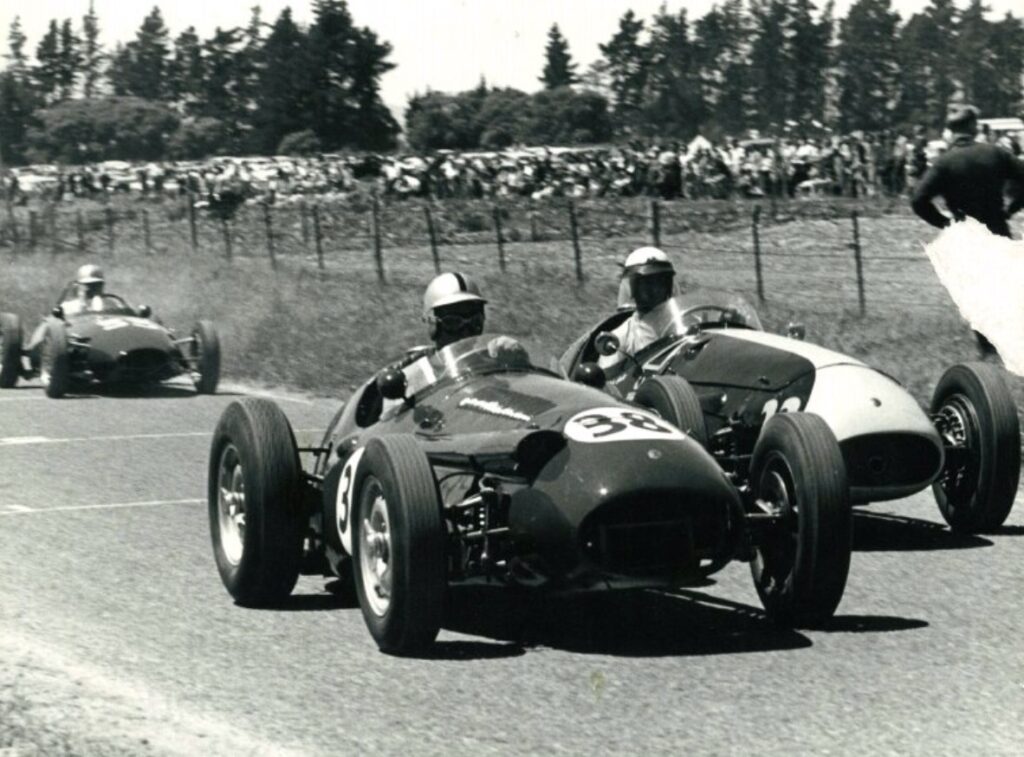
This aging Maserati 250 F was a car with a past. Delivered in 1954 to the „Owen Racing Organisation,“ Peter Collins had won the „Daily Express Trophy“ at Silverstone with it in 1955. In 1956, Jack Brabham had started in Formula 1 races in England with it before the car was sold to Australia and finally to Amon. In this front-engine veteran against advanced mid-engine supremacy, Chris Amon astonished even insiders. And although he couldn't quite follow up on these successes the following season in a Cooper-Climax, Reg Parnell – a regular visitor to the winter races on the fifth continent – carefully studied his talent and signed Amon in early 1963 for his own Formula 1 team. After Mexico's Ricardo Rodriguez in Monza in 1961 (in a Ferrari), the carefree farmer's son from the island nation at the end of the world was only the second person under 20 years old in a Formula 1 car.
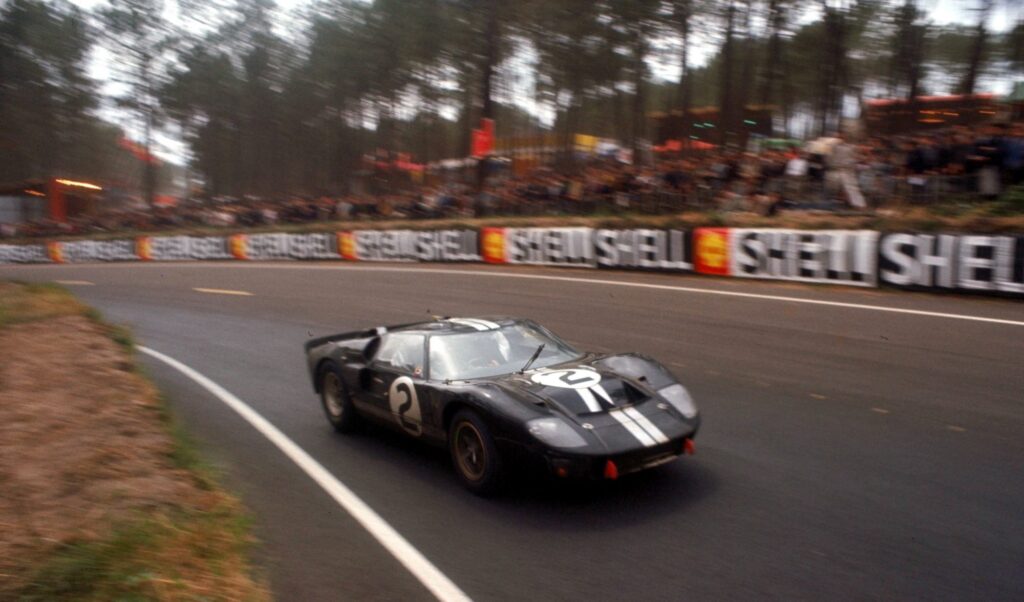
Amon made a brilliant debut with the Parnell-Lola-Climax V8 at the Belgian Grand Prix at Spa-Francorchamps, running as high as seventh for a time in pouring rain before retiring. He finished four other Formula 1 races in his debut year with placings between fifth and seventh. After his father's death in January 1964, Tim Parnell took over the racing team and replaced the Lola cars with Lotus chassis fitted with BRM engines. Chris Amon soon felt compelled to complain about the unreliable material and the mechanics. This led to a split, which gave the New Zealander a temporary break from Formula 1. His compatriot Bruce McLaren took him under his wing, helping him to occasional starts in his high-caliber sports cars with US V8 power. In 1964, Amon also became a Ford works driver in endurance racing, and in 1966, he triumphed alongside Bruce McLaren in the seven-liter Ford Mk II as the overall winner of the 24 Hours of Le Mans. In Formula 1, he made infrequent guest appearances in a Lotus-BRM and a Cooper-Maserati, but skillfully extricated himself from each situation. When Enzo Ferrari approached the super talent, great things seemed to be on the horizon.


„If you set the fastest lap during the race, why don't you win?“
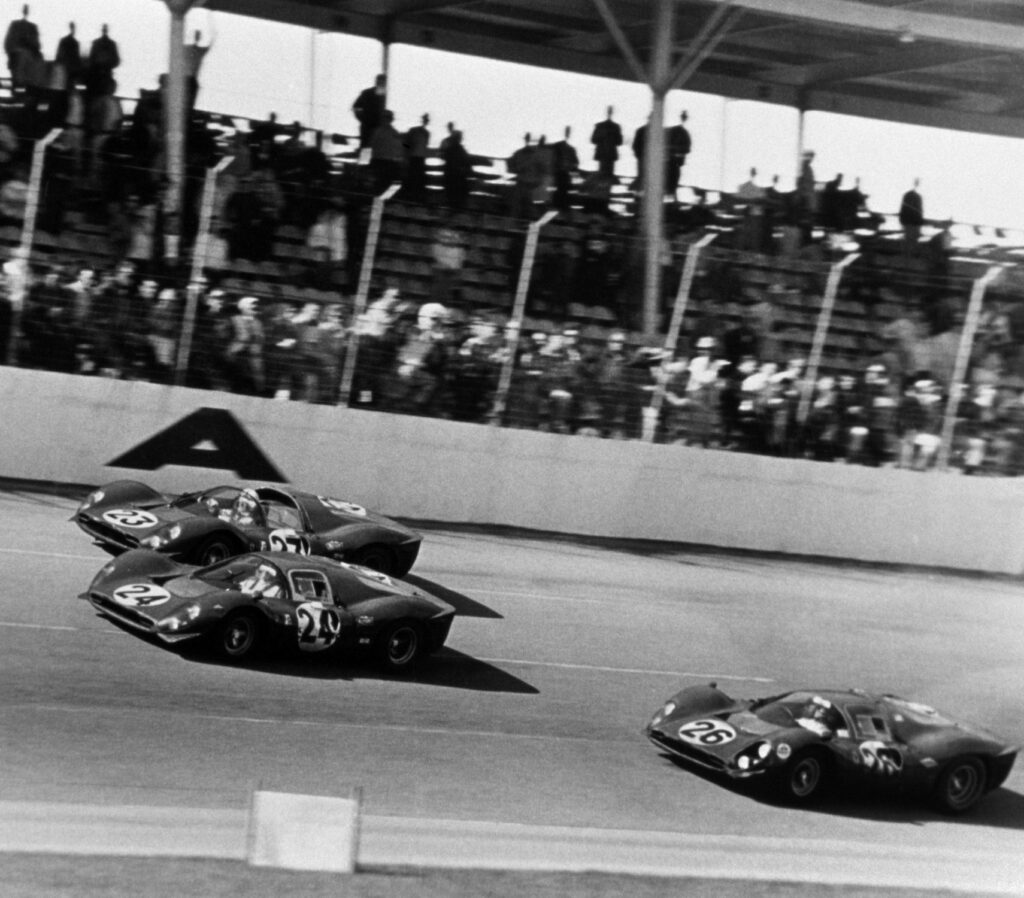
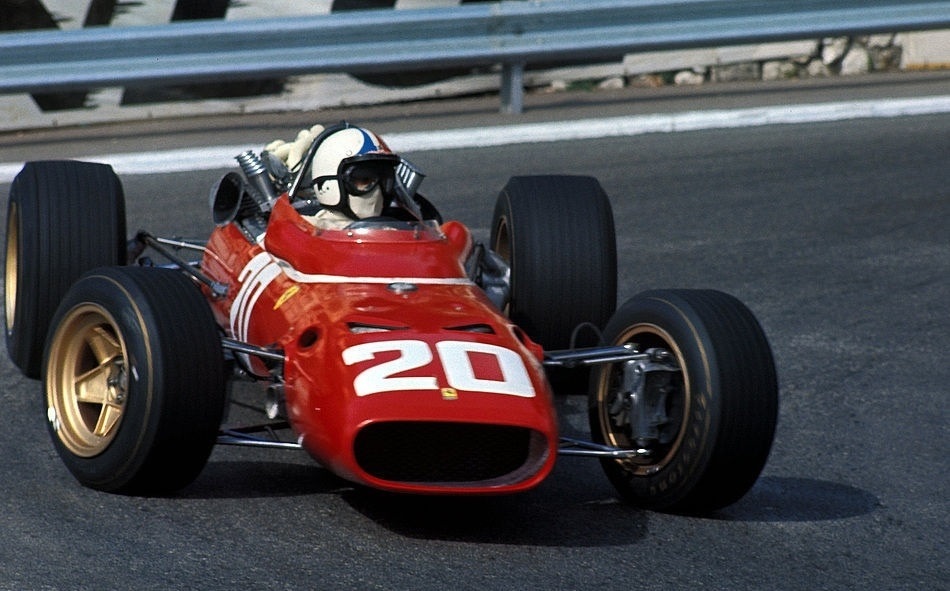
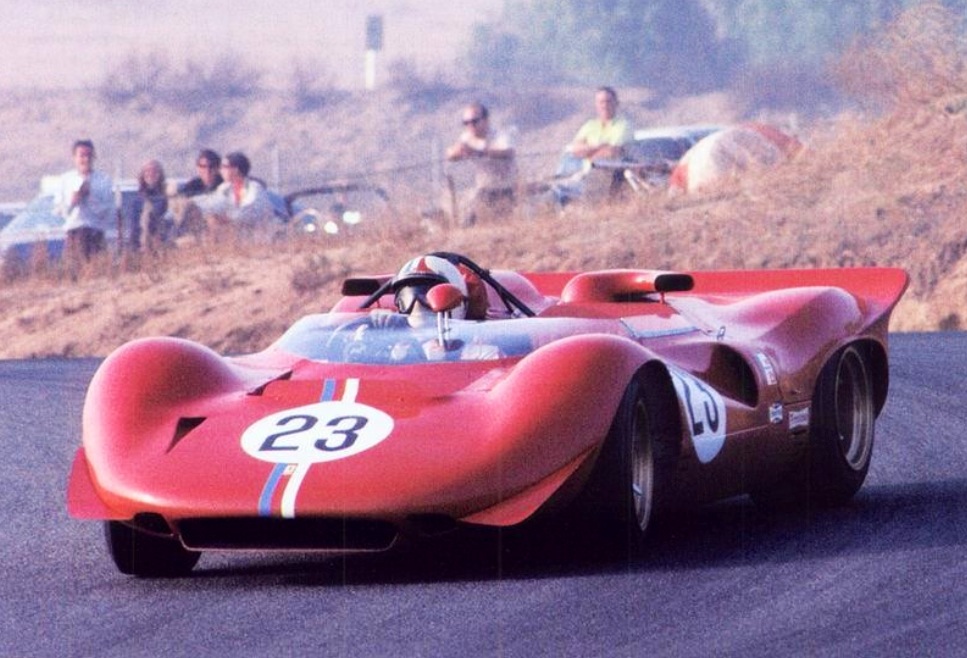
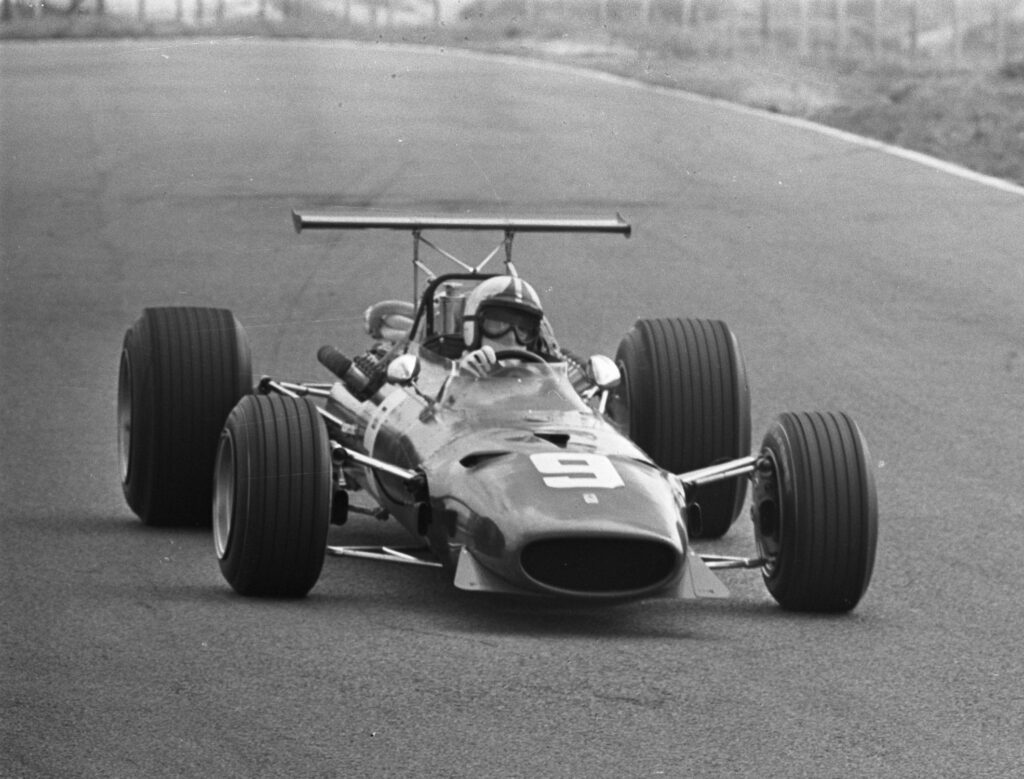
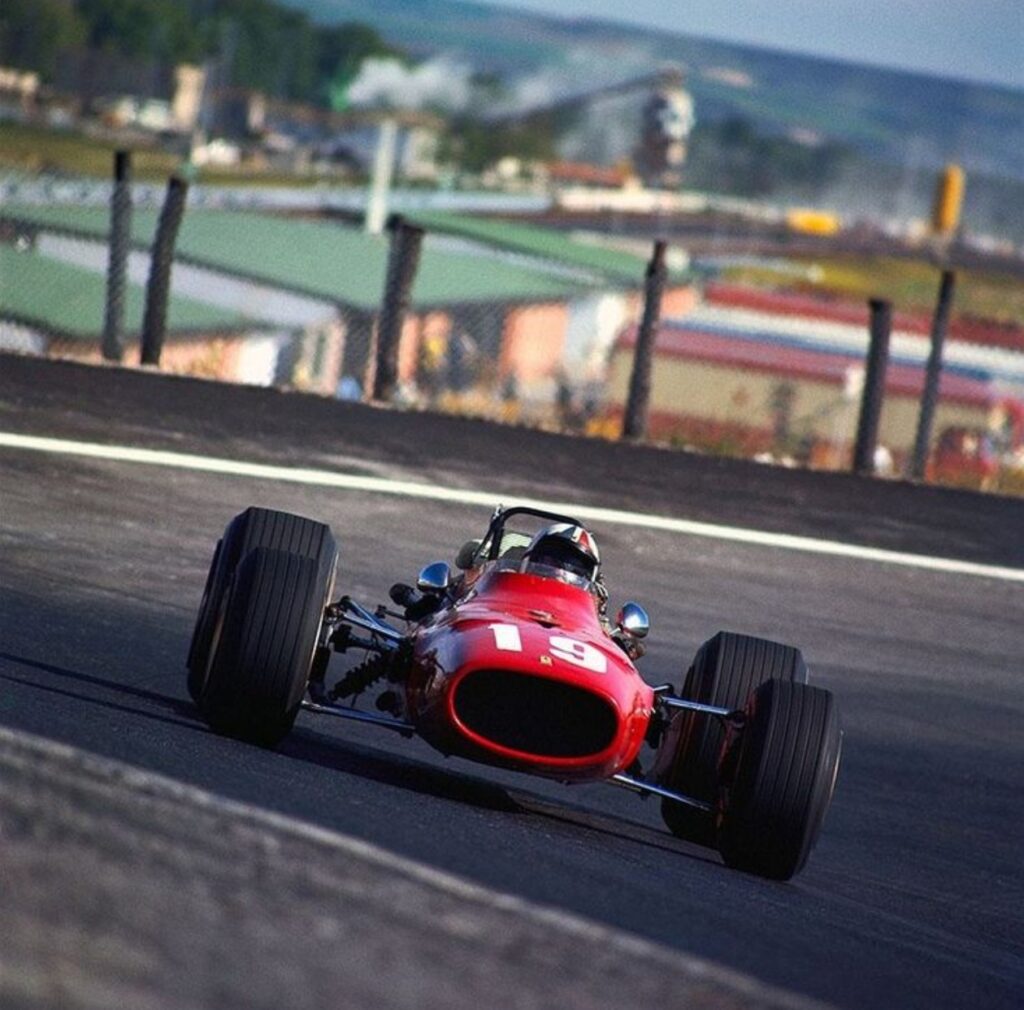
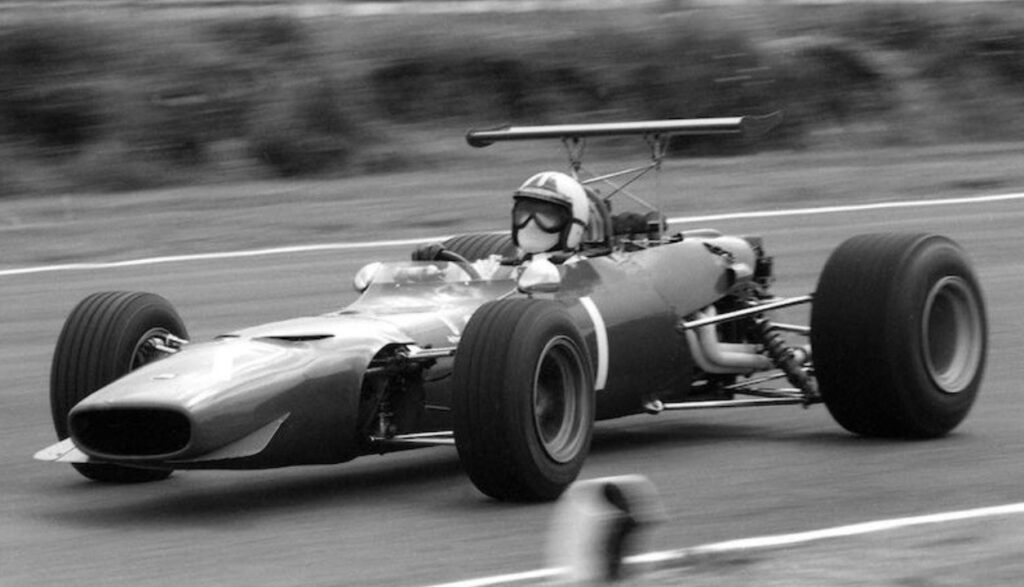
Amon's years at Ferrari from 1967 to 1969 were a full-time job: Formula 1, Formula 2, endurance racing prototypes, and the Can-Am series in the USA. After three Grands Prix in the 1967 season, following Lorenzo Bandini's fatal crash in Monaco, Mike Parkes‘ serious accident in Spa-Francorchamps, and Lodovico Scarfiotti's temporary withdrawal from Formula 1, he found himself as Ferrari's sole top driver. Despite his youthful demeanor, he handled the role better than his unfortunate predecessor, Bandini. With two wins and a second place, he played a crucial role in bringing the 1967 International Championship for Makes title back to Maranello. He also began promisingly in the Formula 1 World Championship with a fourth-place finish.

However, the particular tragedy in Amon's career progression was that, despite all his undoubted skill, he was unable to surpass these initial successes at Ferrari afterwards. In Formula 1, he had to endure bitter disappointments in the next two years; in Jarama in 1968, in St. Jovite (Canada) in 1968, and in Barcelona in 1969, he lost three Grands Prix while consistently leading by miles due to fuel pump failure, gearbox damage, and coolant loss, all in the final stages of the races. Especially in 1969, after becoming Tasman Champion in the winter on the Ferrari Dino 246-V6 with four wins in seven races, the Formula 1 Ferrari proved to be so prone to defects that Amon could only record a single third place, in Zandvoort. When he was relatively narrowly beaten, as he was by Jo Siffert in the Rob Walker-Lotus at Brands Hatch in 1968, he even found himself confronted with strange questions from Ferrari engineer Mauro Forghieri: „If you're setting the fastest lap during the race, why aren't you winning?“
„It seems like he never really weighs his options and plans ahead.“
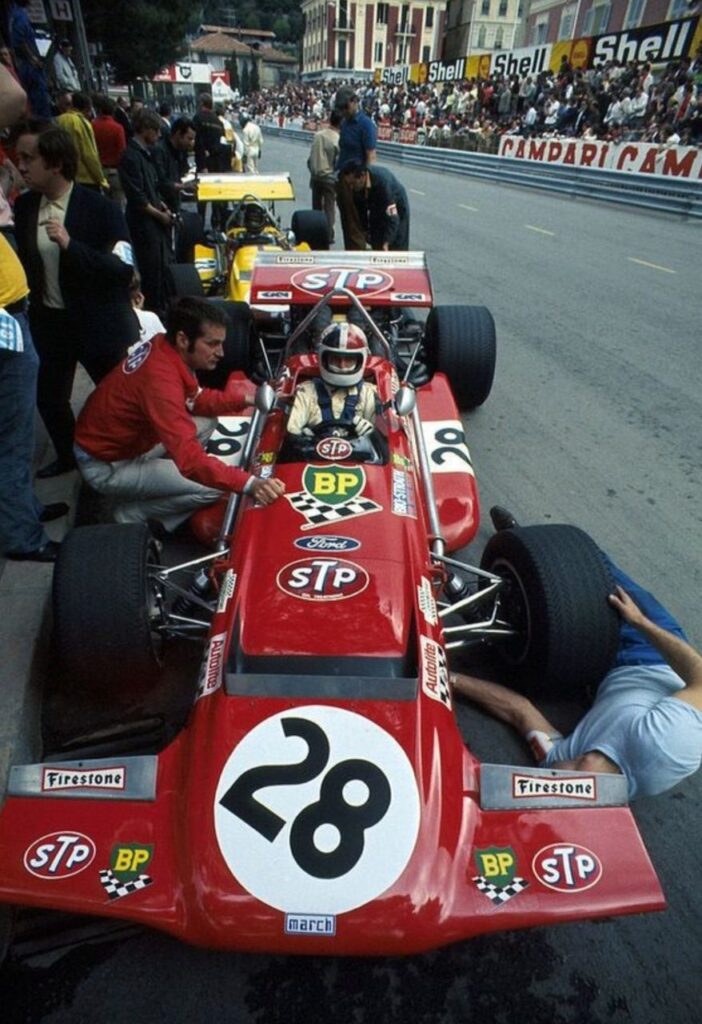
In 1969, Amon was still testing the new 470 hp twelve-cylinder Ferrari 312 B for 1970, but by then he had long decided to switch to March. As expected, in 1970 there were four Ferrari Grand Prix victories, with Jacky Ickx and Clay Regazzoni becoming Vice World Champion and third in the Formula 1 Championship. Amon finished seventh in the March, but at least managed to win his first Formula 1 race in the non-championship „Daily Express Trophy“ at Silverstone – although it was comparatively not about much. „Somehow, it was always his own fault for his poor performance,“ Jackie Stewart noted in his diary after this Amon victory. „He undoubtedly has talent and approaches things with passion and verve, yet he has never won a Grand Prix to this day. One of the reasons is certainly his poor planning. After two years at Ferrari, he left just as they were bringing out the twelve-cylinder flat-six engine, and instead of accepting McLaren's offer, he went to March – a team completely unknown at the time. It seems as if he never realistically assesses and plans ahead for his chances.“

From then on, he chased success, moving to Matra for 1971/72 (another Formula 1 win in a non-championship race, the 1971 Grand Prix of Argentina in Buenos Aires). By then, March chief designer Robin Herd had just built the „serving platter“ 711, with which Ronnie Peterson could become Formula 1 Vice-World Champion in 1971. Amon, on the other hand, lost another Grand Prix due to bad luck before nearly ruining his career and business with two consecutive wrong decisions. With the Tecno V12, he only collected three hard-earned championship points in 1973, while his self-designed and underfunded Formula 1 car nearly brought him to the brink of ruin in 1974. In his last two Formula 1 years with Ensign in 1975/76, this small team repeatedly benefited from the New Zealander's talented performances, even qualifying in the second row. However, a crash in Zolder in 1976 due to a material defect, which he survived uninjured thanks to great luck, and Niki Lauda's severe accident at the Nürburgring in the same year solidified his retirement plans, which he finally put into action in 1977.
He took over the family farm in New Zealand, where he lived a secluded and content life for a long time with his wife Trish, a daughter, and two sons. Then, in the early 80s, he retired from farming, tested cars for a television series, later became a consultant for Toyota New Zealand, tuned various Toyota vehicles for sale, and appeared in TV commercials for Toyota. In 2004, he won the „EnergyWise Rally“ in a Toyota Prius. Afterwards, he was involved in the concept development of the new „Taupo Motorsport Park“ racetrack. At the 2011 „New Zealand Festival of Motor Racing,“ Chris Amon was particularly honored with a demonstration of race cars from his career, and then again in 2013. On August 3, 2016, he passed away at Rotorua Hospital at the age of 73, surrounded by his whole family, including grandchildren, after battling cancer.


