First published on curbs-magazin.com
Originally published on curbs-magazin.com – now part of slickpix.de.
“You have to check every screw”
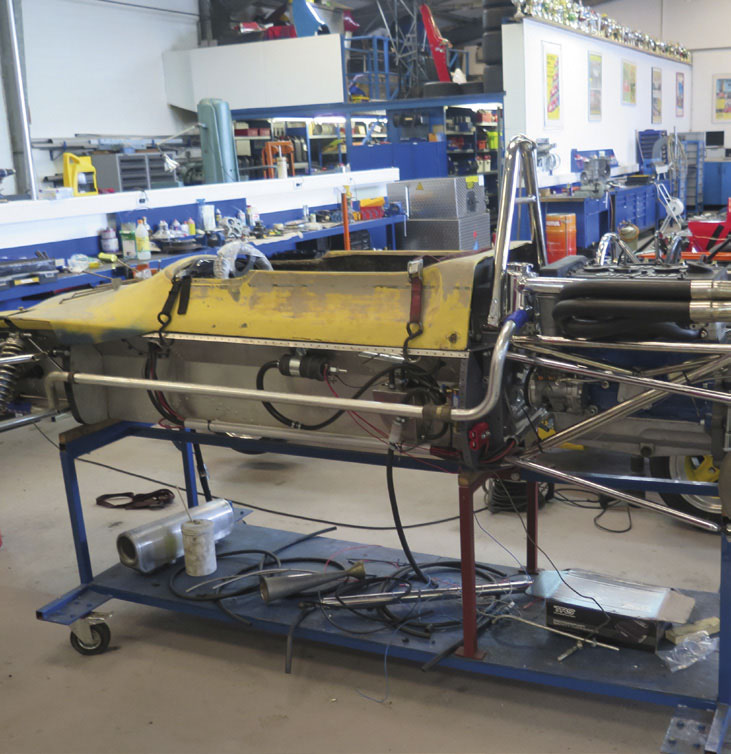
There are still strokes of luck that you wouldn’t expect. In early 2013, Biehl Racing in Mönchengladbach received a call from Markus Brandi in Bad Homburg: his father had passed away, and there was a dismantled old race car in the basement that needed to be disposed of. “What kind of car is it?” Marcel Biehl asked him. He didn’t know at the moment, was the reply. “Could you please take a few pictures and send them to us?” Marcel Biehl asked.
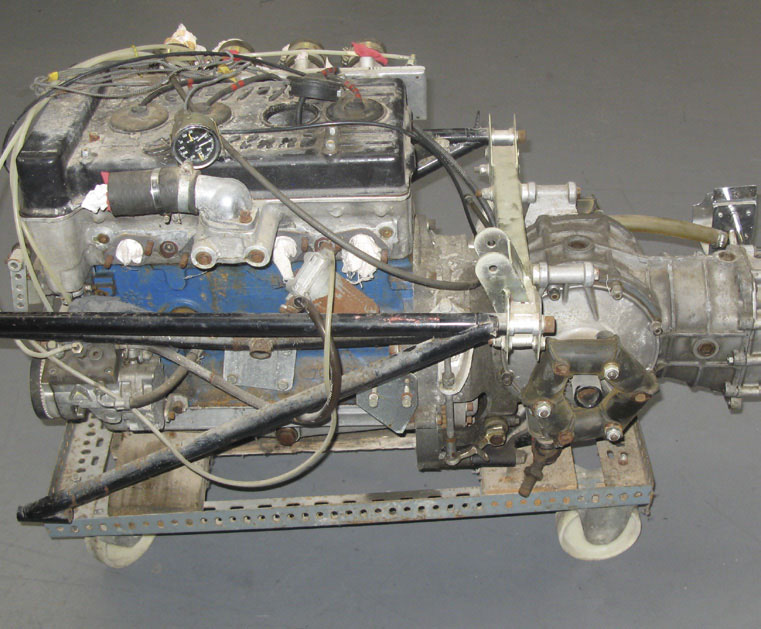
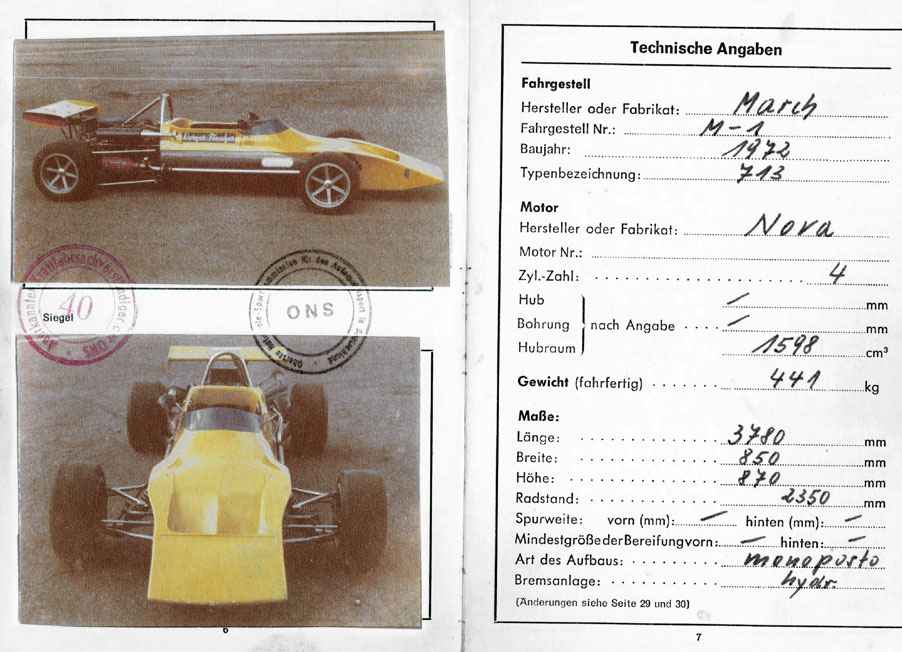
On April 11, 2013, the first photos arrived, including a shot of the monocoque and pictures of the engine and transmission. Most importantly, however, a copy of a page from an old ONS registration document was included, which listed all the details: “March 713, chassis ‘M-1,’ built in 1971.” The seller then asked, “If we bring it to you and you finish it up, how much will that cost?” Subsequently, Markus Brandi visited Biehl Racing to get a sense of what the company was capable of. “If we undertake a restoration,” Marcel Biehl explained to him, “it only makes sense if you want to keep the car as a memento afterward. You’ll hardly make any money on it if you plan to sell it later.”

A “little gem” on the line
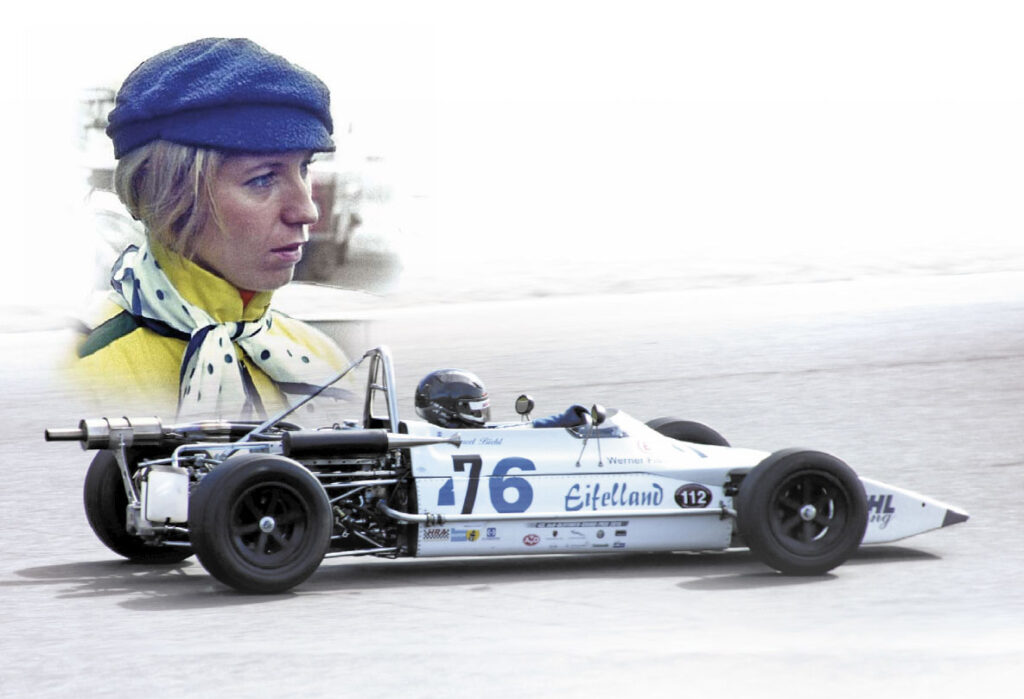
The sellers entered a period of deliberation. The late father, Biagio Brandi, had been a master mechanic at Mercedes-Benz in Bad Homburg. The house where the parts of the Formula 3 March were stored was now also up for sale. And by then, father Manfred and son Marcel Biehl knew what a “gem” they had on their hands. It was undoubtedly the former Eifelland Hannelore Werner March 713 M from the 1971 season, the first Formula 3 March with a monocoque—the “M-1.”
Born in Hürth-Hermülheim in 1942, Werner—who later married Günther Hennerici, co-owner of the caravan manufacturer Eifelland, motorsports patron, and temporary Formula 1 team principal (Eifelland in 1972)— Günther Hennerici, was one of the fastest German women behind the wheel in the late 1960s and early 1970s. Among the achievements of the trained dental technician are, among others, the overall victory in the 1969 24-hour endurance race at the Nürburgring in an Alpina BMW 2002 TI and second place in the Formula 2 March 702 at the AvD Prize of Germany on the Nürburgring-Nord in 1970. She was also very fast in the March 713 M in 1971, despite relatively stiff competition in Formula 3, winning the Hohenlohe Airfield Race in Niederstetten, finishing second at the Markgräfler Airfield Race in Bremgarten, and placing in the top ten three more times that season. By the end of the year, she had finished fifth in the “ADAC Formula 3 Championship.”
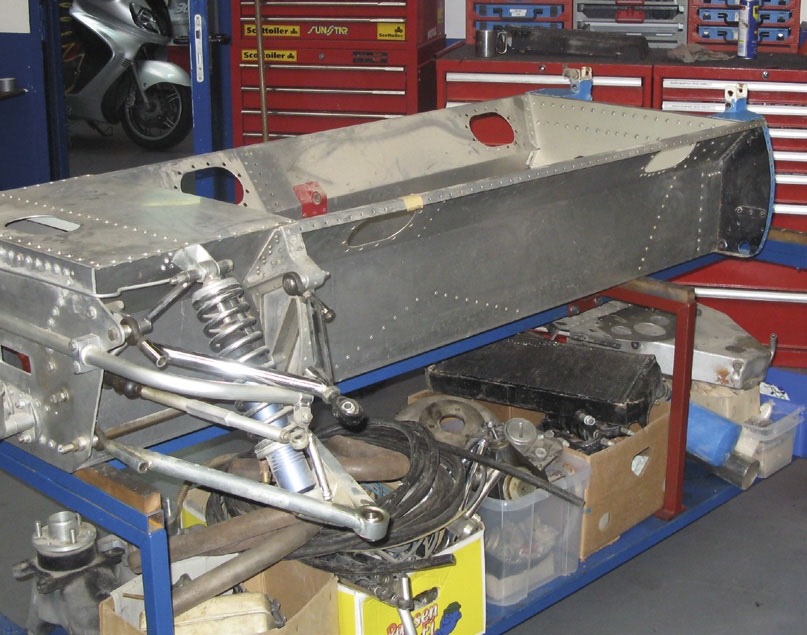
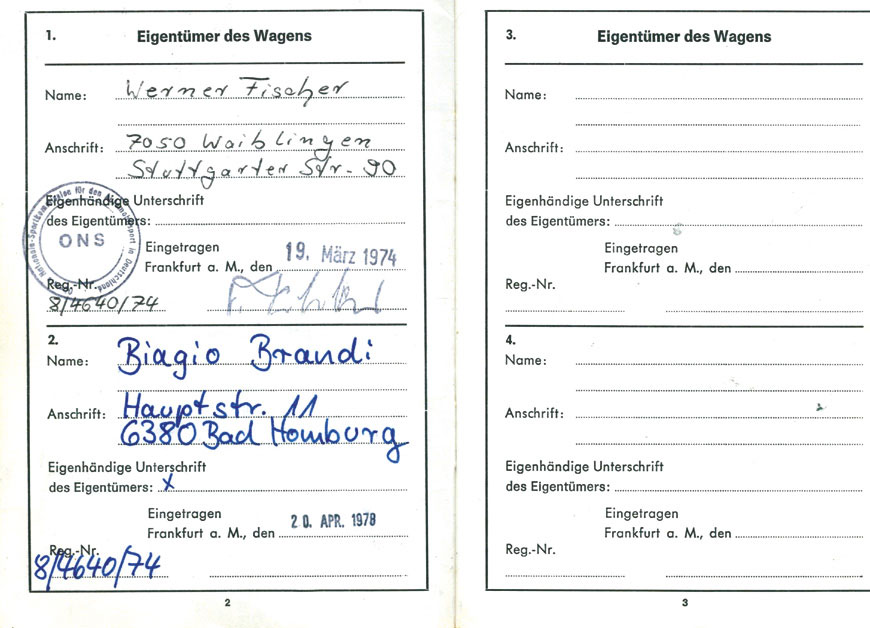
Biehl Racing identified six additional races in which this car competed in Italy during the 1972–73 season, with predominantly Italian drivers behind the wheel; however, on April 16, 1972, the German Heinz Lange achieved the best result of that period by finishing tenth at the Campagnolo Grand Prix in Monza. The last owner to race the car was Werner Fischer, who entered the March in eleven races during the 1974 season, with a best finish of fifth at the Schauinsland Hill Climb in July 1974. “At the Mainz-Finthen airfield race on September 1, 1974, the wheel hub got caught in a pile of tires in the chicane,” recalls Marcel Biehl. “On the March, it always sticks out a bit; it’s the widest part of the car at the front. The car has a track that’s about 15 centimeters wider at the front than at the rear. So the monocoque was already dented in front of the side pods when we finally got it.”
“‘ENGINE OVERHAULED’ DOESN’T REALLY MEAN ANYTHING—THE PISTONS WERE JUST FILED DOWN…”
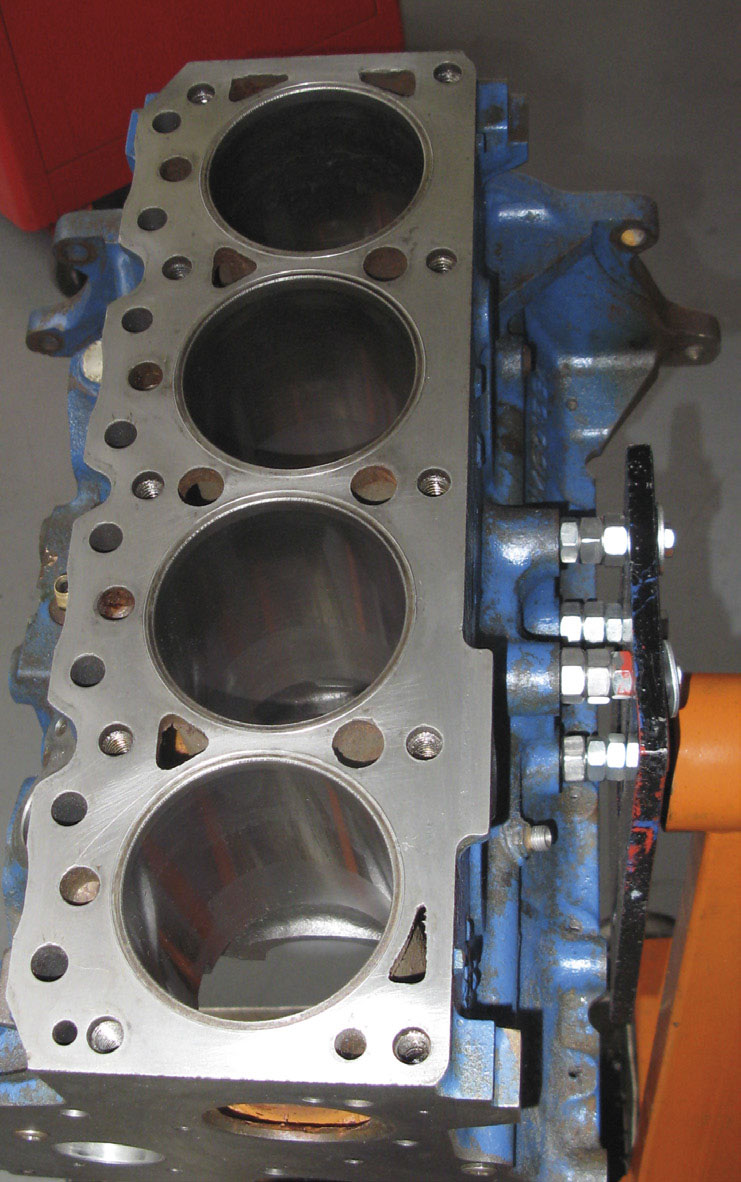
The Biehls also found a sales ad in an issue of the German trade magazine *rallye racing* in late 1974 with the following text: “March Formula 3, currently 5th place in the Formula 3 Cup, with a general-purpose engine and rain tires, asking price 12,000 DM, phone.” Werner Fischer ultimately sold the car to Biagio Brandi in Bad Homburg. This brought the “life story” of the March 713 M “M-1” in the motorsport of that era to a complete and coherent conclusion. “That was yet another ‘nice’ example of,” adds father Manfred Biehl, “what one should imagine when one hears ‘engine gen.,’ meaning ‘engine completely overhauled’—it basically means nothing. Because here, first of all, we had to completely replace the pistons; they had merely been reworked with a file…”
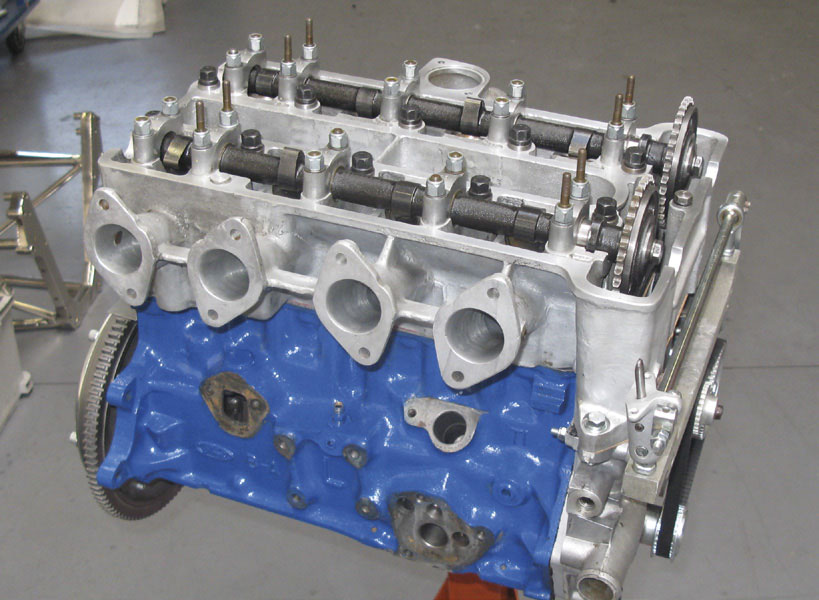
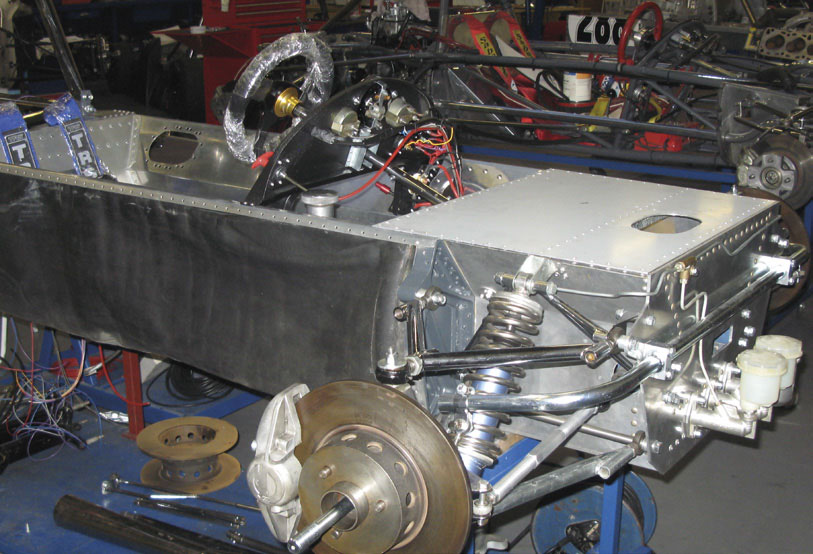
As far as the Biehls were able to ascertain, Biagio Brandi had already begun building a new monocoque and had purchased a number of replacement parts—such as March suspension components—from Ernst Unger, who later went on to manufacture URD race cars. But he hadn’t gotten much further than that. In the fall of 2013, their negotiations with son Markus Brandi came to fruition; the house in Bad Homburg had to be cleared out, and so both sides finally reached an agreement. Biehl Racing acquired all the car’s components at a fair price and transported them by truck to its own workshop on November 4, 2013. They then divided the work between father and son: Manfred Biehl took on the engine and transmission, while Marcel Biehl handled the chassis.
“WE ALSO DRAW ON A WELL-ESTABLISHED NETWORK THAT EXTENDS ALL THE WAY TO ENGLAND AND THE UNITED STATES”
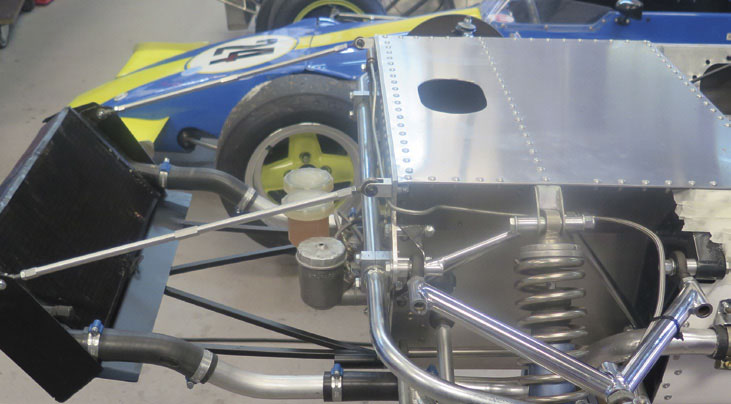
“The monocoque, for example, had to be completely overhauled,” explains Marcel Biehl. “That means all the installed parts had to be disassembled, reconditioned, and reassembled correctly. Ultimately, that boils down to having to check every single screw. But here we were also able to draw on our extensive experience with March monocoques. The 713 M was, after all, the first Formula 3 March with a monocoque; that was essentially the basis for all March monocoques right up through Formula 2 in 1977, which were only ever slightly modified and further developed. In addition, many of our customers drive a March race car that we service throughout the season.” And his father, Manfred Biehl, adds: “We’ve also been able to rely for many years on a well-established network extending all the way to England and the U.S. to clarify very specific technical details. Our contacts there even have actual catalogs for race cars that are 40, 50, or 60 years old.”
The two estimate that the actual restoration time for this project alone—which Biehl Racing had to manage alongside its substantial day-to-day operations—was about four months. They were then able to showcase their impeccable work to the public for the first time at the Classic Days Schloss Dyck in early August 2015. A few days later, Marcel Biehl tested the car’s performance during the Historic Formula 3 race at the AvD Oldtimer Grand Prix Nürburgring. Although he had to start from the pit lane in the first race due to clutch problems and trail the field, he went on to win the era class in race two with the newly rebuilt car. A special additional highlight at the Nürburgring was the visit of guest of honor Hannelore Hennerici-Werner to the pits, who was visibly delighted to see her former Formula 3 racer again in such excellent condition.
SOLD OUT BEFORE THE SECOND RACE OF 2015
At the 2015 Historic Grand Prix Zandvoort in late August, Biehl Racing then entered the 713 M “M-1” for another race in the mixed field of historic formula race cars, “Historic Monoposto Racing,” where, however, the first race was literally torn apart after just a few laps due to oil on the track and the recovery of three stranded competitors, resulting in a safety car phase and an early end to the race. Under normal racing conditions in the second race, Marcel Biehl once again really got into his stride, finishing third among all Formula 3 race cars from various era classes—including significantly more modern ones—even though he had to stay out of skirmishes as much as possible; the car had been sold in the meantime!
“Otherwise, my dad would have given me an earful on Monday if I’d gotten into any trouble…”