
First published on curbs-magazin.com
Originally published on curbs-magazin.com – now part of slickpix.de.
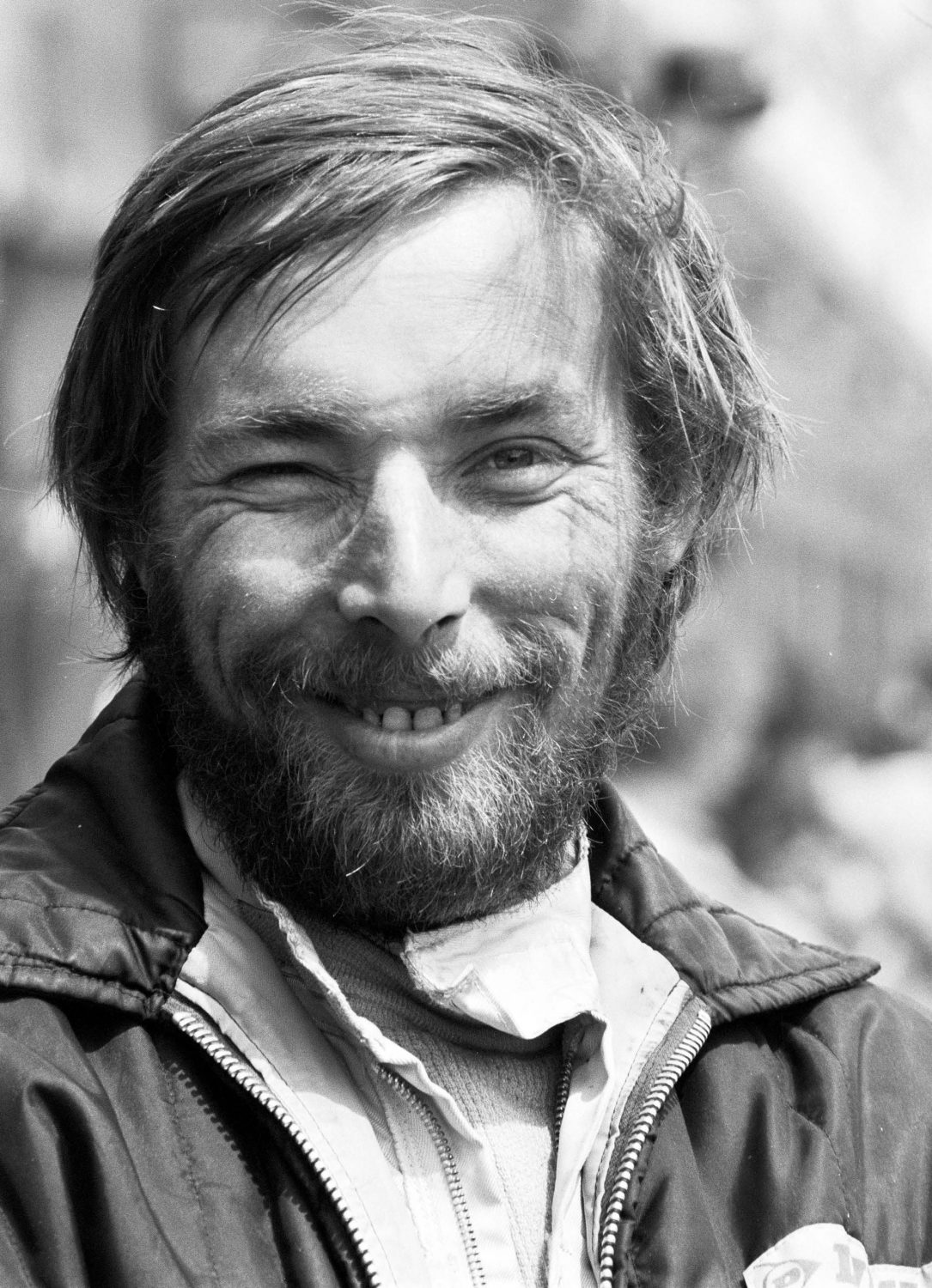
Jürgen Barth: You have to run your own race and understand the technology
Jürgen Barth is one of those racing drivers who has approached motorsport from virtually every angle, participating, accompanying, shaping, and even initiating it. He is also considered an outstanding authority when it comes to Porsche motorsport. He grew up professionally within the Porsche company, held various important positions related to motorsport there for over three decades, and has remained closely connected to the company to this day. His first qualifications between 1966 and 1972 were as a car mechanic, industrial clerk, and qualified technician. As early as 1969, he became assistant to the head of the sports and press department, Fritz Huschke von Hanstein, with responsibility for organizing Porsche's rally activities. From 1972, he was responsible for Porsche sports homologations, among other things. From 1976, he was responsible for the administrative organization of all Porsche motorsport activities and represented Porsche AG at official bodies such as the FIA, BPICA, and INS, among others. From 1980, he was the internal and external coordinator for Porsche motorsport, and from 1982, he headed Porsche customer racing worldwide, establishing a new customer racing department in Weissach and overseeing the construction of various special series such as the Porsche 962, 911 SC/RS, Carrera 4 lightweight, 911 Carrera 3.8 RS, and RSR. „And right at the beginning,“ he adds, „I also prepared the race cars for various owners myself, which I then also drove, such as the 911 S models of the Swede Ake Andersson and the American John Buffum in the early 70s.“
Without a doubt, Jürgen Barth is the race car driver who, in a way, studied motorsport. Even between 1977 and 1987, he and his friend, the journalist Lothar Boschen, published their first books, „Das große Porsche Typenbuch“ and „Das große Porsche Sondertypen Buch,“ which also appeared in English, and in some cases, French and Italian. Later, with various co-authors, books on the Porsche 904, 934, 935, and 936 were also released. He produced the LP „Porsche Sound History“ and, as a writer, continues to offer deep insider insights, as currently seen in the CURBS article series „FIA HTPs as they should be“ (page 36).
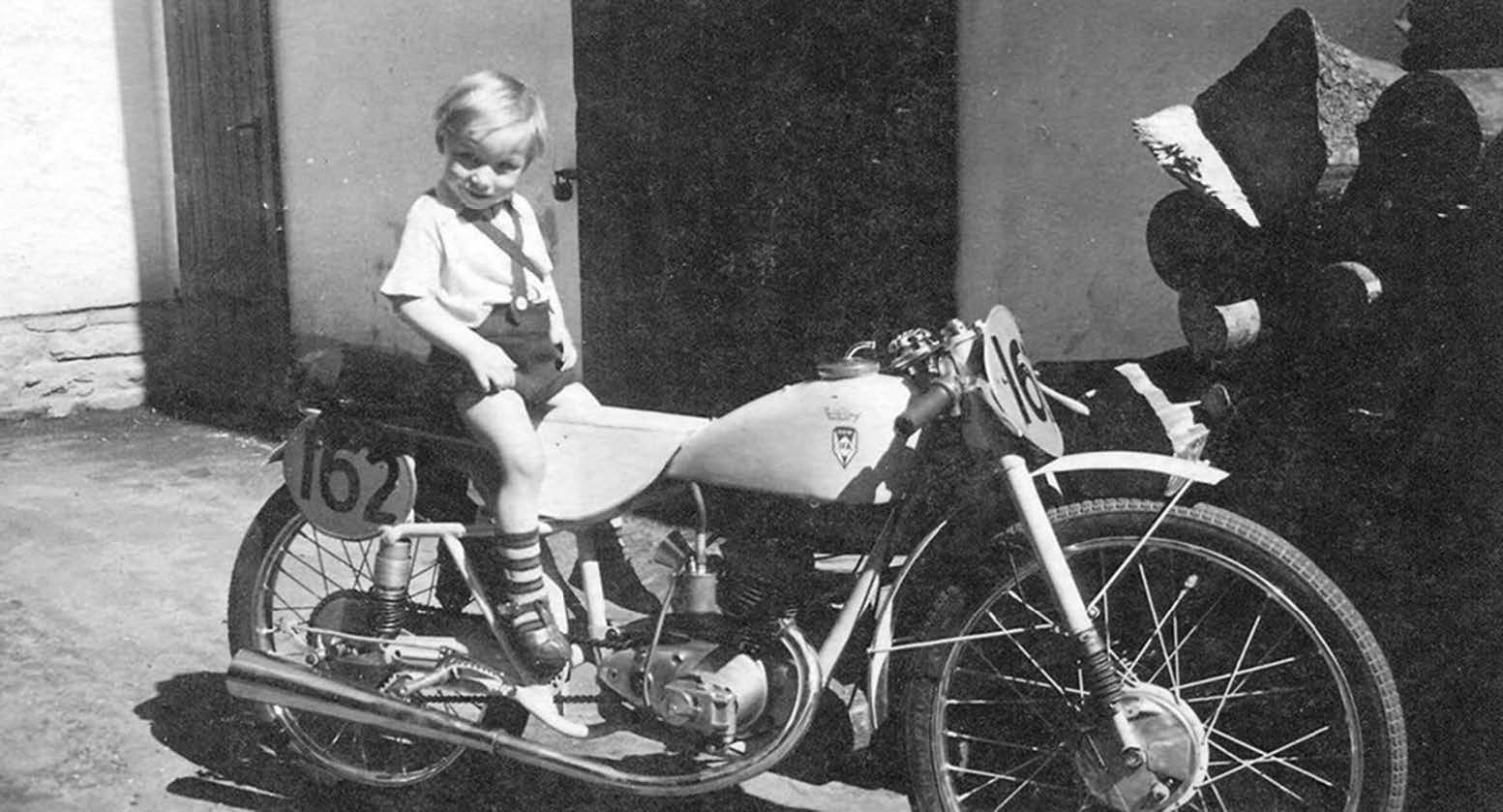
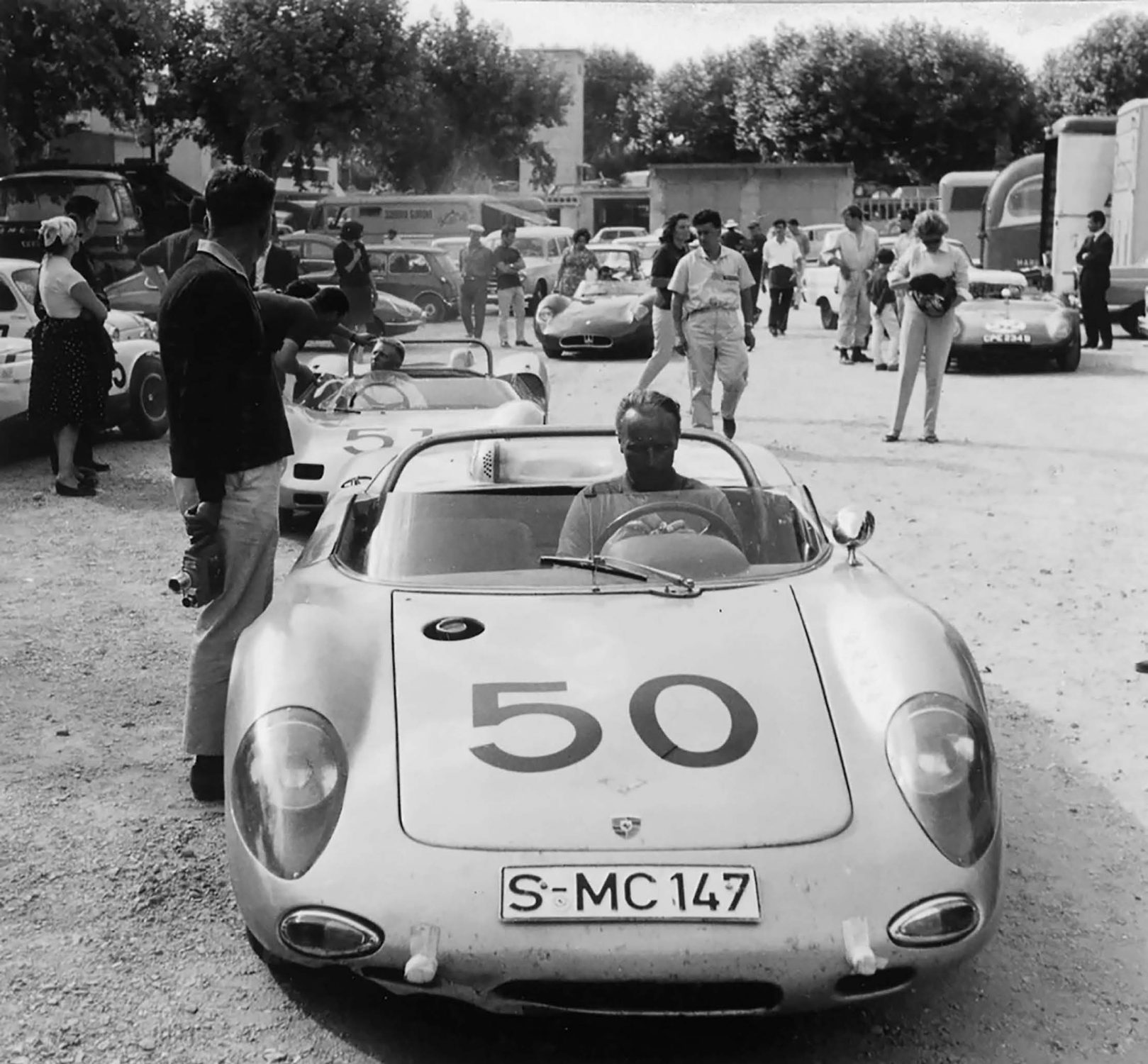

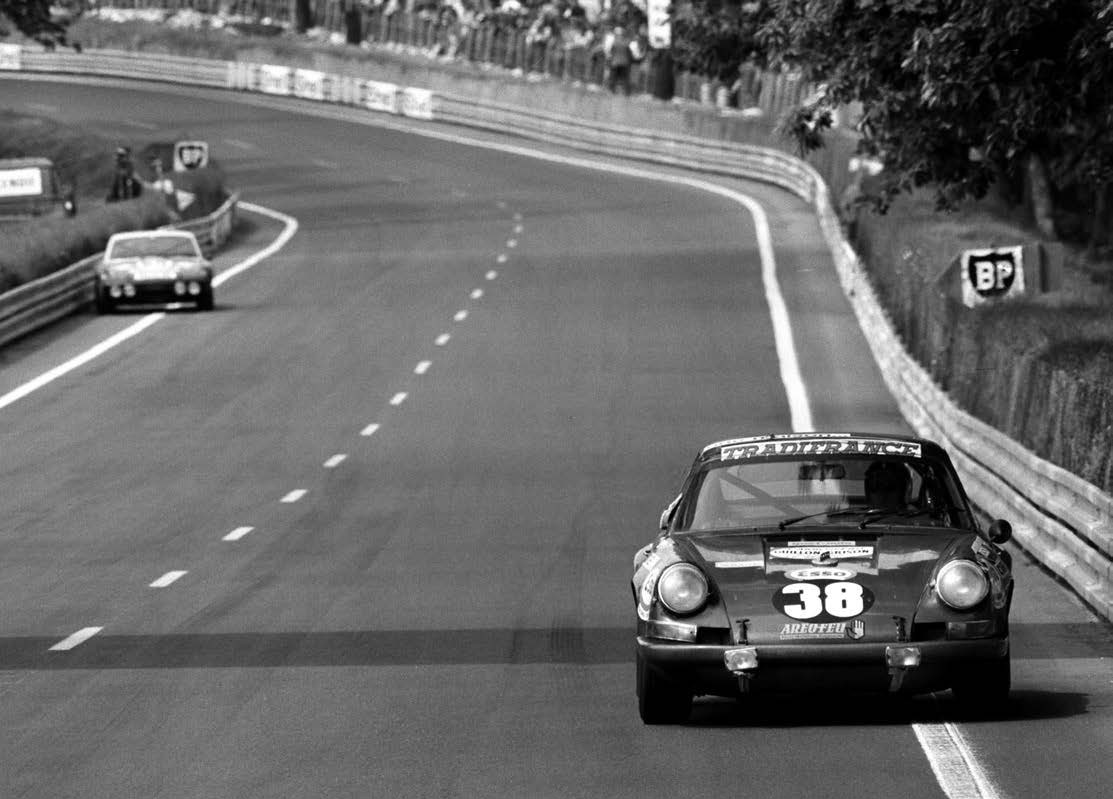
In any encounter, he radiates calm and composure, at least outwardly. Even as a race car driver, Jürgen Barth – who is still racing at 69 years old! – was and is not a nervous type. „Very early in my career, I was passed around a lot as a driver because I was reliable,“ he reveals, and then outlines his philosophy behind the wheel. „In my entire racing career, I never drove at 100 percent; for example, I rev the engine to 7,500 RPM instead of 8,000. It's just as much fun, but it's easier on the equipment.“ With this attitude, he also had a very decent racing career – more of a „side hustle“ – which culminated in significant successes, particularly in major long-distance sports car races, where such an approach is certainly in demand. And with this, he followed directly in the footsteps of his famous father.
Jürgen Barth was born on December 10, 1947, in Thum, in Saxony's Erzgebirgskreis, as the son of Edgar Barth. His father had begun his racing career in 1934 at the age of 17 with motorcycle races on DKW and BMW. After World War II, when the family lived in the GDR, he excelled primarily with „East Zone“ EMW and AWE sports cars until the mid-1950s. However, it became increasingly clear to him that great motorsport success would not be sustainable in „socialism,“ and the „racing collective“ of Automobilwerke Eisenach (EMW) was dissolved at the end of 1956. So, in 1957, he accepted the contract offer to race for Porsche. After winning his class at the 1000 km Nürburgring in a Porsche 550 Spyder, he was honored with the anthem of the then Federal Republic of Germany. The ADMV in East Berlin revoked his license and prohibited him from further racing participation. Edgar Barth decided to stay in West Germany and was subsequently accused of „fleeing the republic“ by the GDR. „He could no longer return to the GDR,“ his son emphasizes, „as a competitive athlete, he would have immediately gone to prison there.“
At this point, Jürgen Barth was nine years old. In the years prior, his mother Gerda and he had not been allowed to accompany his father on his trips to West Germany and to races there. They then always had to hand over their passports, but now they had been permanently confiscated. „In the following weeks, I then marveled at my mother's sometimes hectic activities, especially the constant packing of parcels and frequent trips to the local post office,“ recalls Jürgen Barth. On November 30, 1957, on Totensonntag (All Souls„ Day), when border controls were not as meticulous as usual, his mother risked escaping with him on a train from East Berlin to West Berlin – and they were lucky! The moment they had crossed the border, his mother asked him what he thought about staying in West Germany. “Fantastic," I replied, "then I don't have to go to school on Monday!"
Father Edgar Barth subsequently achieved many significant successes for Porsche. In 1959, he won the Targa Florio overall in a Porsche RSK Spyder, and in 1959, 1963, and 1964, he was the European Hill Climb Champion three times. In 1964, he fell ill with stomach cancer, to which he succumbed on May 20, 1965. „I do think he would have very much liked me to follow in his footsteps as a race car driver,“ says Jürgen Barth. „He never openly discussed it, though. The most important thing for him was that I complete a proper education, which I did by becoming a car mechanic and an industrial clerk. It was actually logical that I began my apprenticeship at Porsche in 1963, as it was always easier for Porsche employees like my father to get an apprenticeship for their children there at the time. However, I was also allowed to drive his Porsche 356 Carrera 2 myself at the age of ten during driving courses with the Scuderia Hanseat at the Nürburgring and show the students the ideal racing line – out of sight of him and the students, I naturally stepped on the gas even more.“ In 1968, Jürgen Barth achieved his first successes as a race car driver, initially in rallies, and in 1969 in his first circuit and hill climb races. He raced Group 3 vehicles such as the Porsche 356 S 90, Porsche 911 T, and also an NSU Wankel Spyder. What did his mother think of his ambitions? „That wasn't a problem,“ he explains. „On the contrary, she even saw it with a smile.“
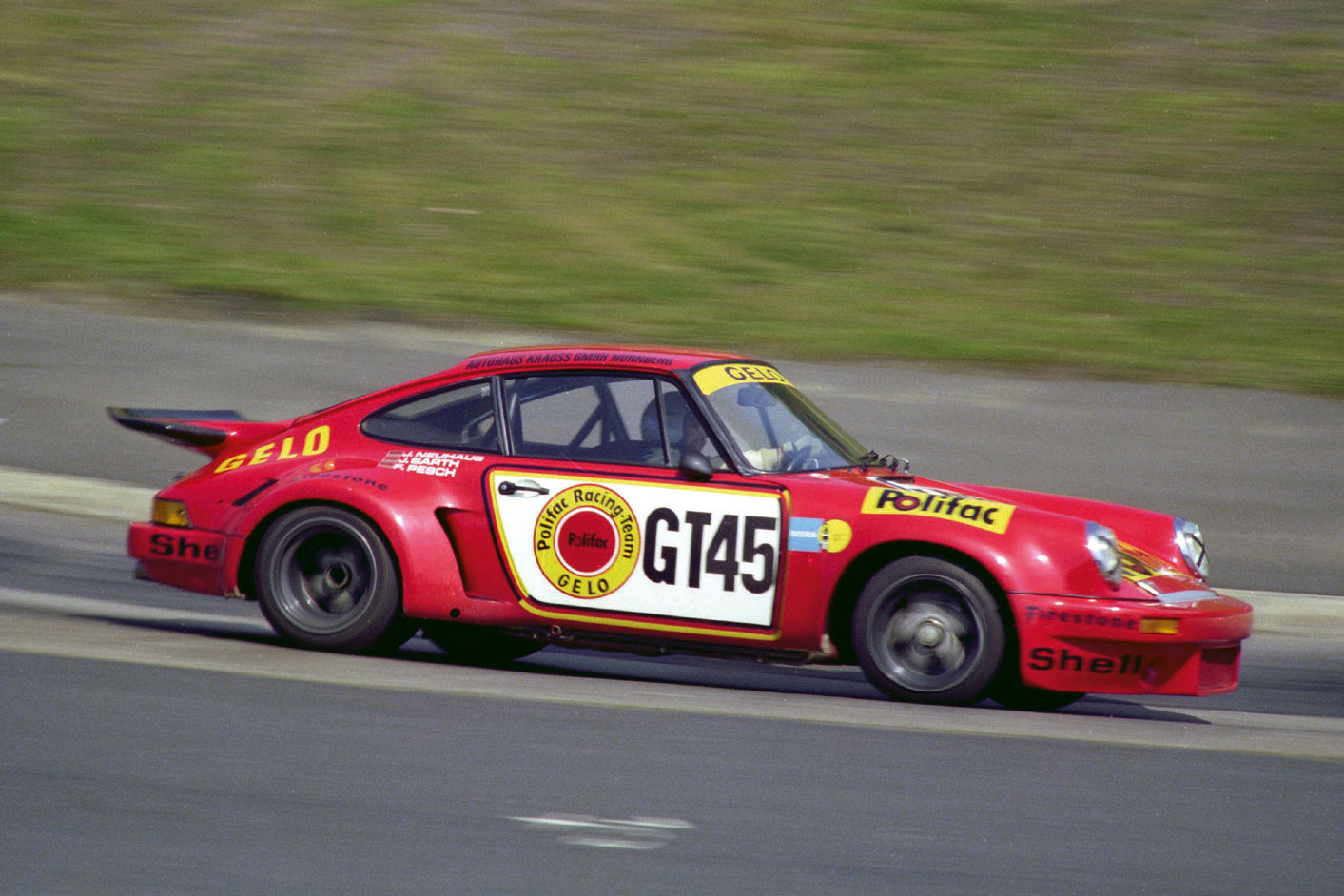
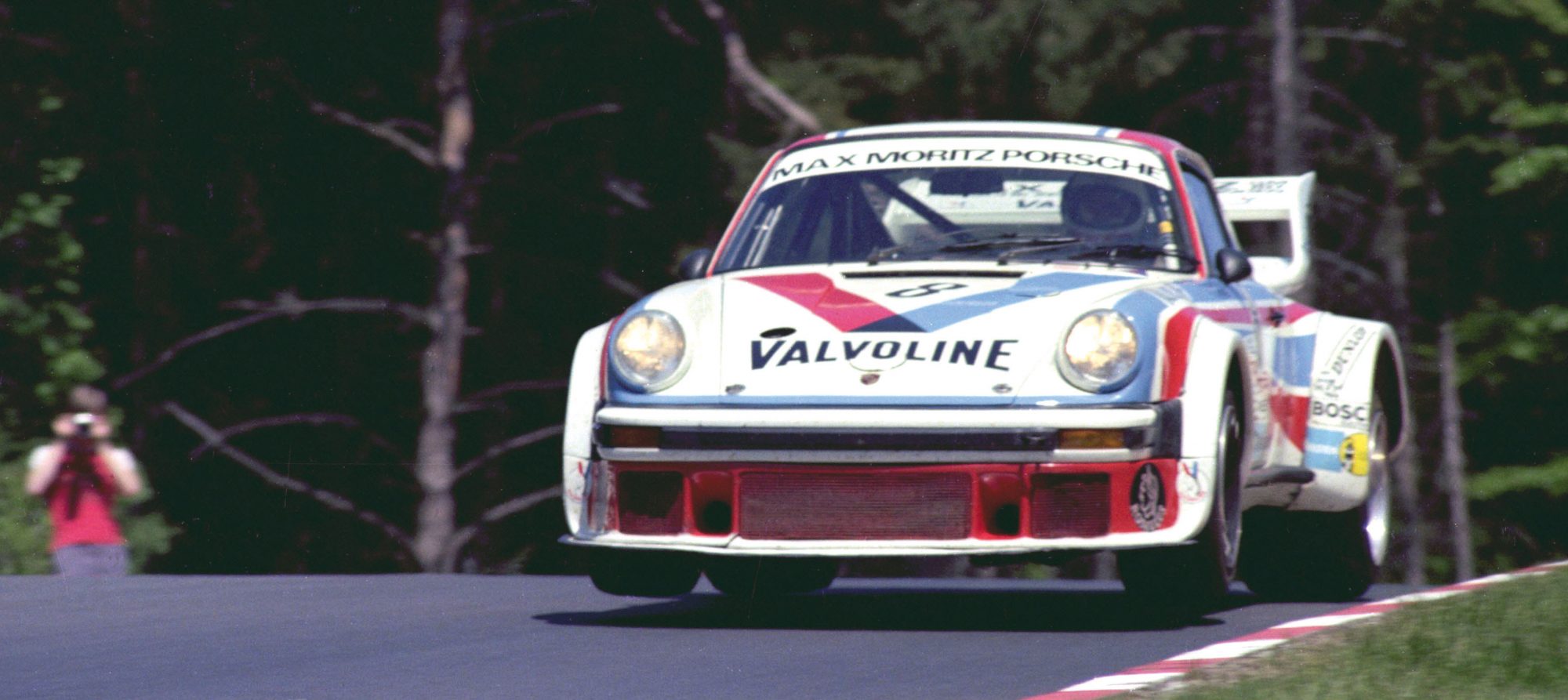
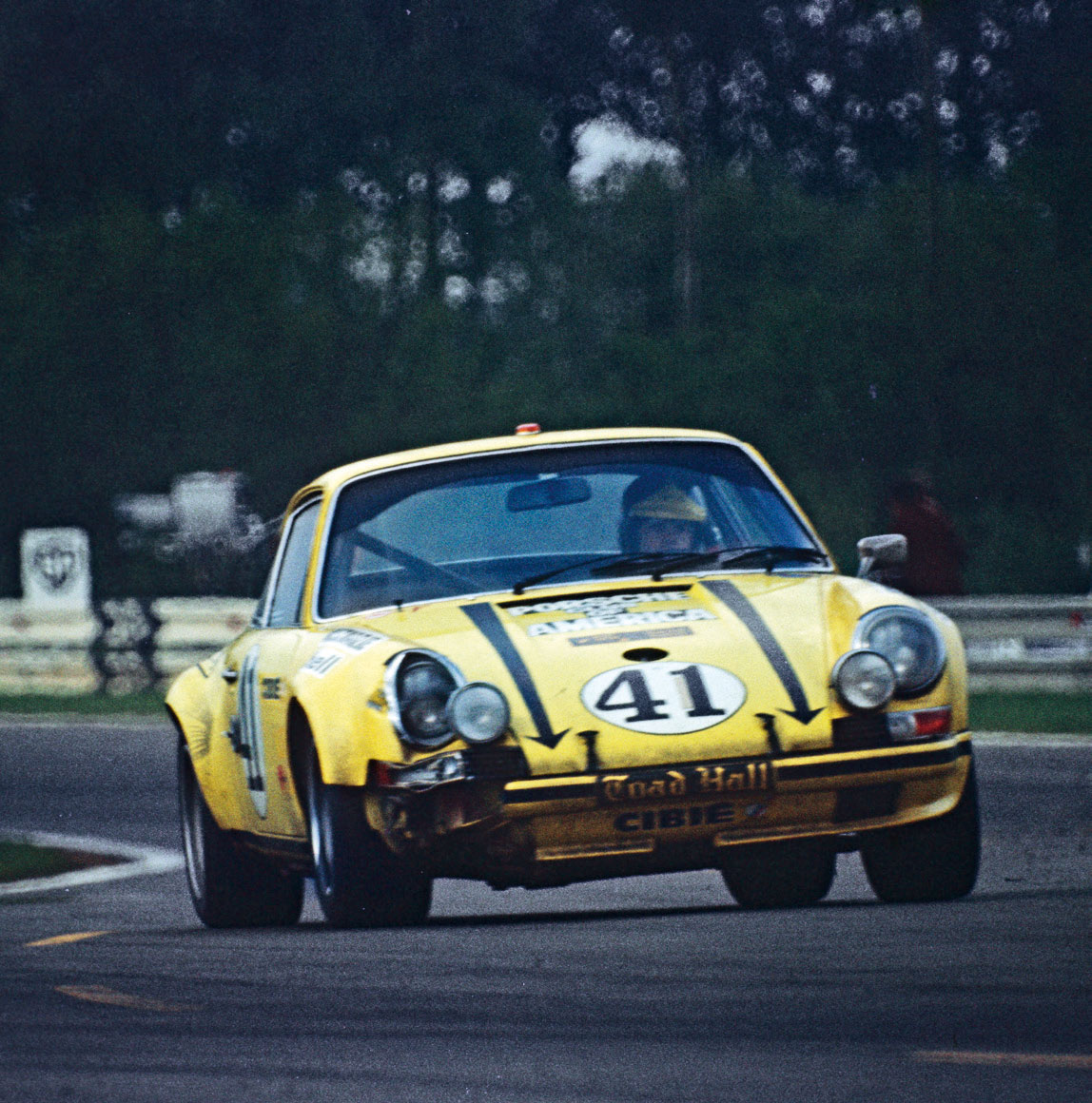
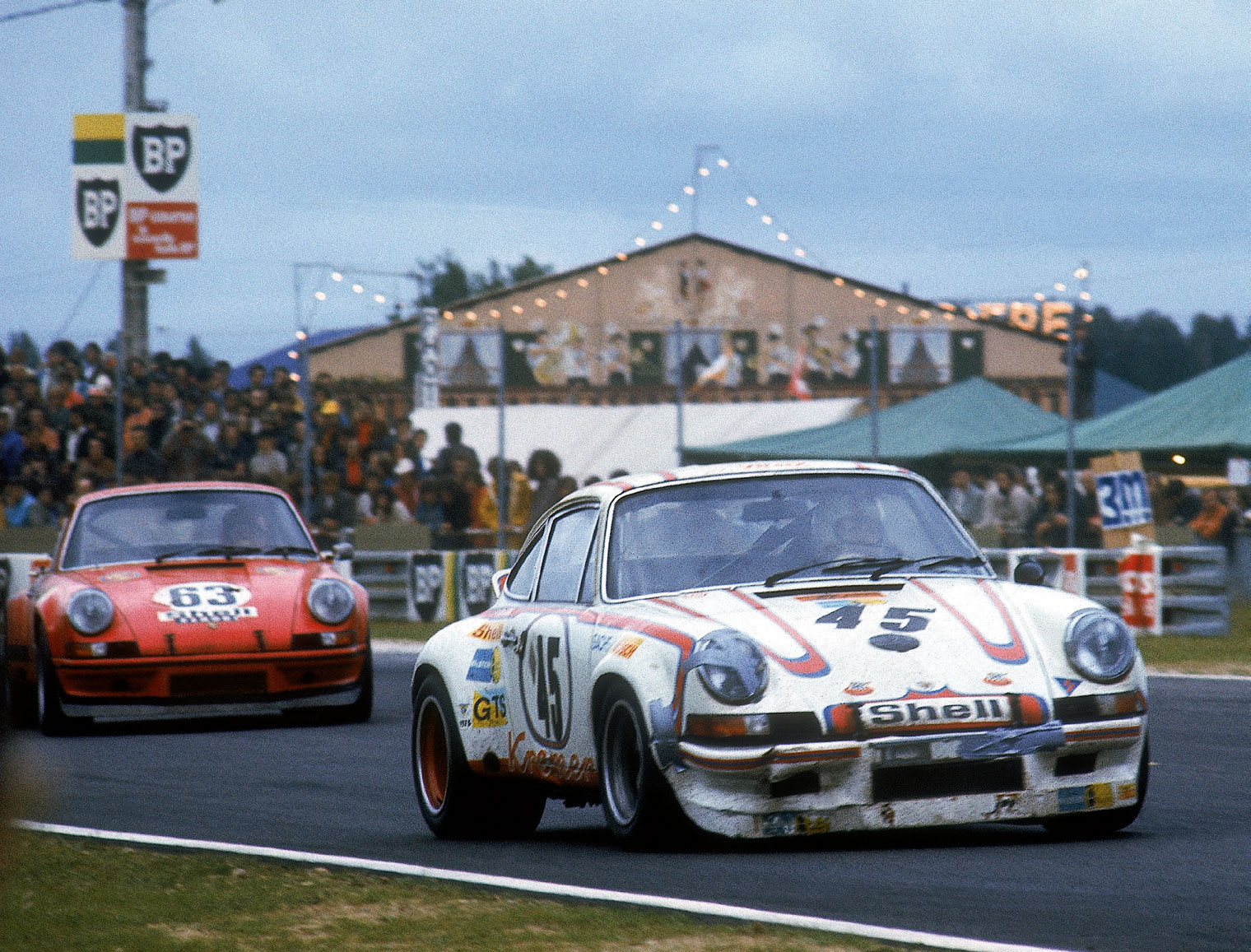
His involvement in motorsport at Porsche in the late 60s and early 70s increasingly made him well-known in the scene, beyond his name as Edgar Barth's son. And as early as 1971, he was being offered cockpits, including for major long-distance races abroad. He drove Porsches 911s for the French drivers Gérard Larousse and René Mazzia, as well as for the Swede Ake Andersson. At the 1971 Grand Prix de Paris in Montlhéry, he achieved a class victory in the Special GT category in the Larrousse-911 ST. And already at his very first Le Mans start, he made a considerable impression alongside René Mazzia in a Porsche 911 E – second place in Group 4-GT and eighth place overall! This spread very quickly, and Jürgen Barth increasingly gained a reputation as a persistent driver, a finisher who didn't break anything, which vehicle owners loved. And if the race cars were spared technical defects, he was at least at the front in his classes, categories, and later also in the overall standings, if not the winner. That was his style.
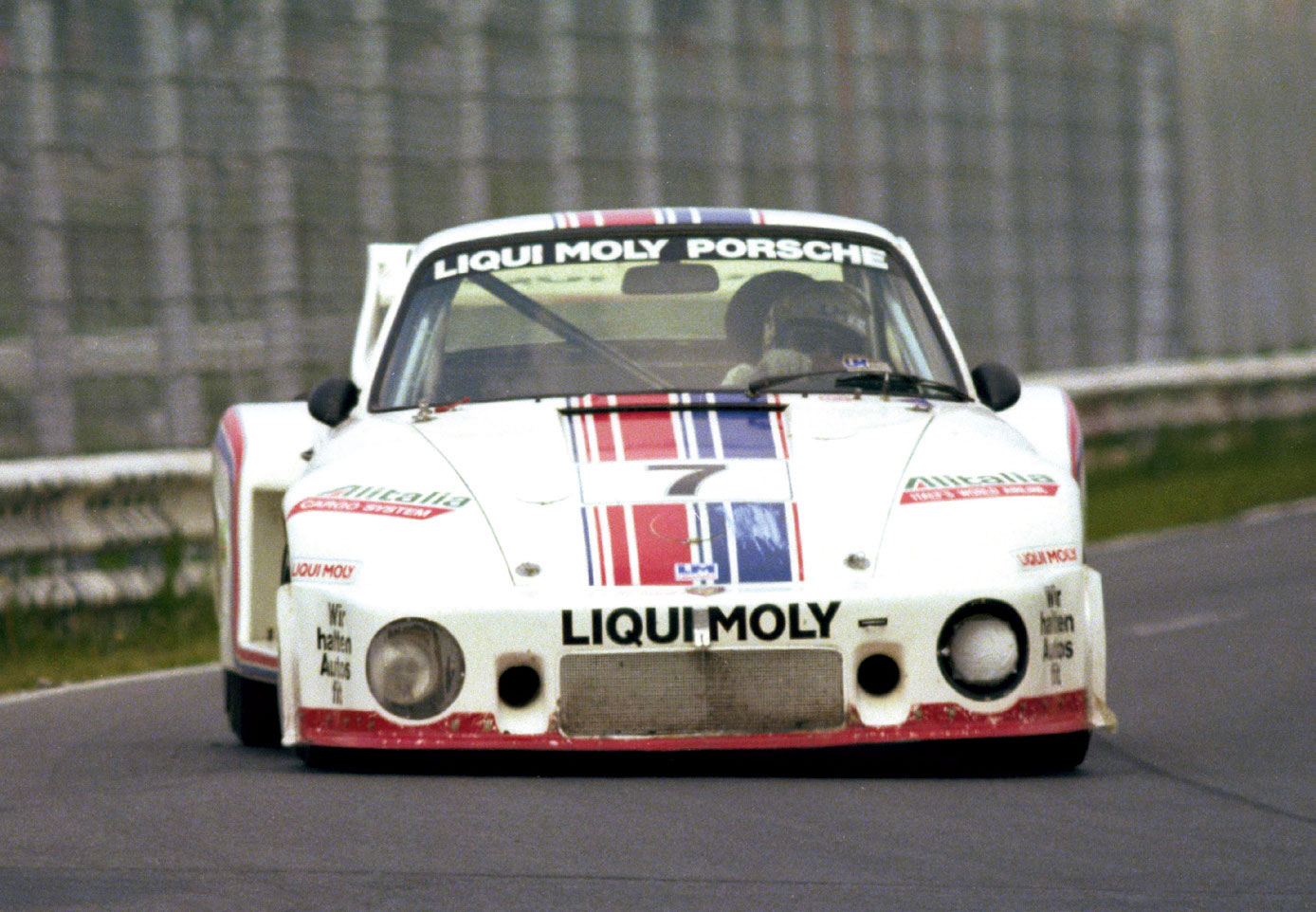
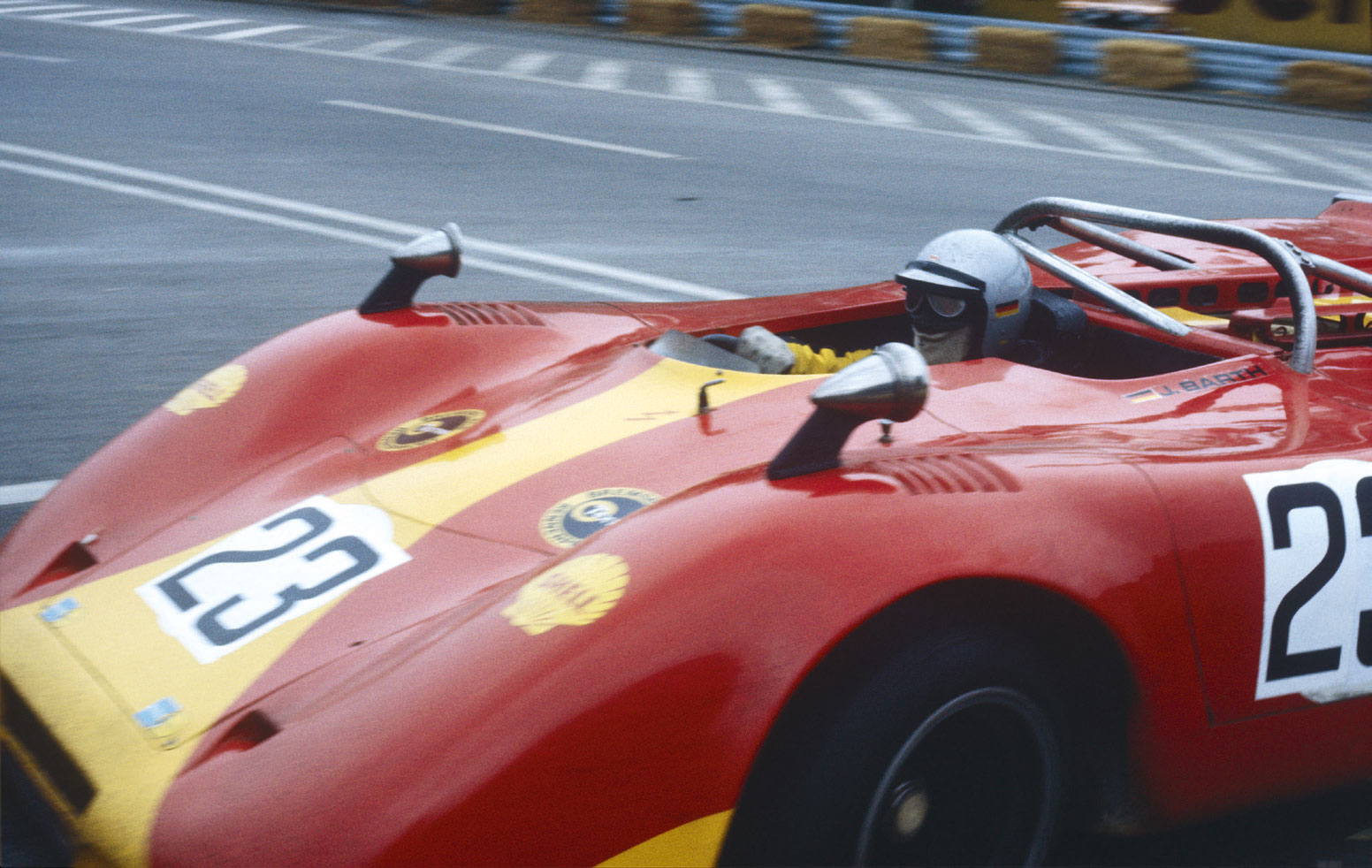
For numerous racing Porsche customers on both sides of the Atlantic, he was the ideal addition on the track or in the pit for over two decades. For instance, Georg Loos entrusted the then 25-year-old with a top-tier race car for the 1973 Interserie with the Porsche 917 Spyder. An impressive record: Barth finished well in all four appearances, fifth at Norisring and at the „Südwest Pokal“ in Hockenheim, sixth in Misano, and seventh at the „Preis von Baden-Württemberg“ in Hockenheim. Additionally, in 1973 and 1974, Loos strengthened his driver lineup for the Granturismo Carrera in the World Manufacturers„ Championship and GT European Championship races with Jürgen Barth, competing in endurance races like the 6 Hours of Monza. Barth's notable achievements include GT category wins at the 1000 km of Spa and the Nürburgring in 1974, as well as second places at the 24 Hours of Le Mans in 1973 and the 1000 km of Le Castellet in 1974. “Georg was a very peculiar man,„ adds Jürgen Barth. “I had a deal with him: if we won, I'd get ten percent of the prize money, and I had to pay the rest myself. I still remember the 1974 1000 km of Zeltweg well; we finished fourth in the GT class, and my share of the prize money was DM 20.53. So, I sent him a bill for it, but he only paid DM 20.51 because he had calculated the exchange rate differently. Georg was a very difficult customer; you could never really satisfy him. In the Interserie, I once overtook him with the 917 Spyder; he was driving the 917/10 Turbo. As a result, I couldn't race the next event..."
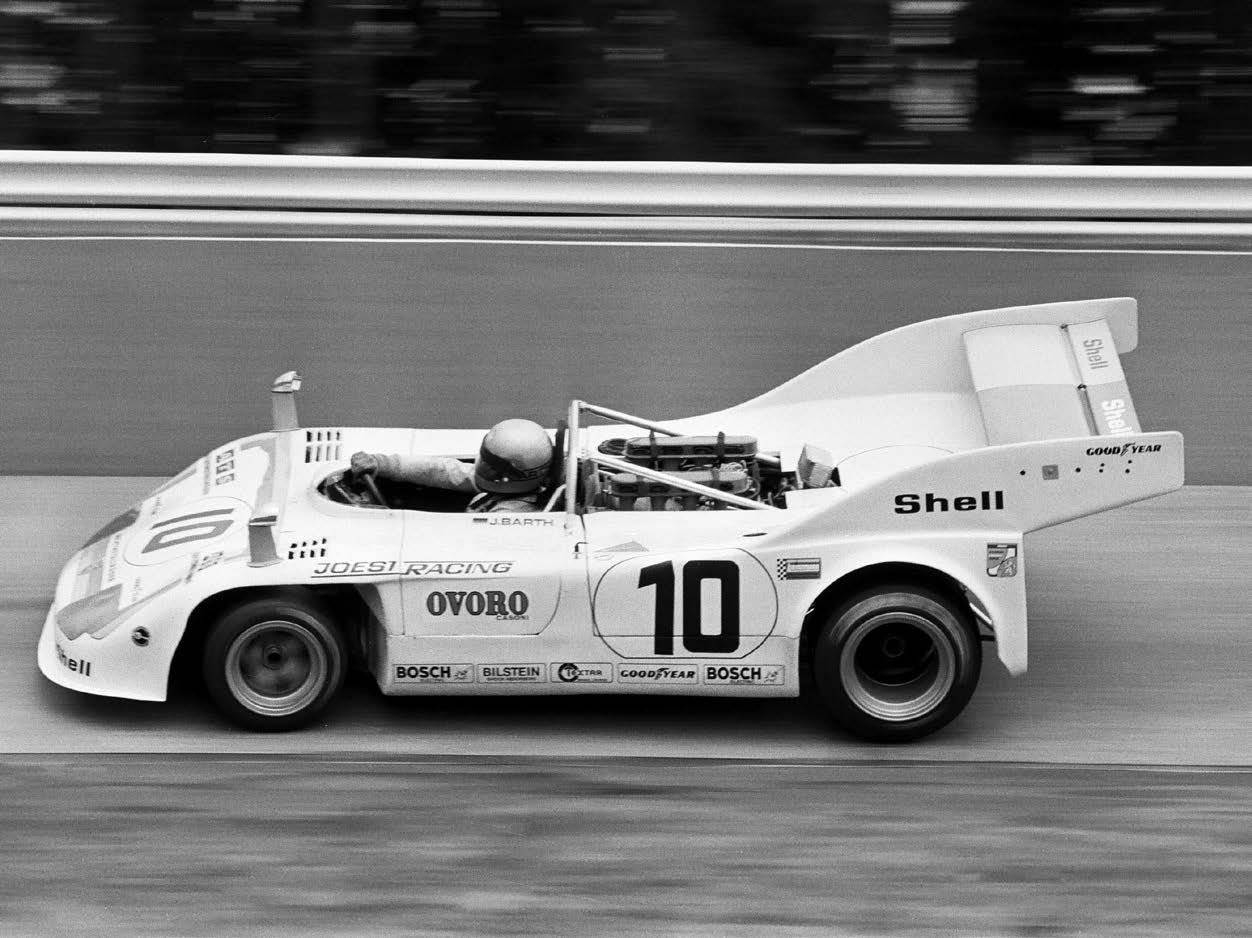
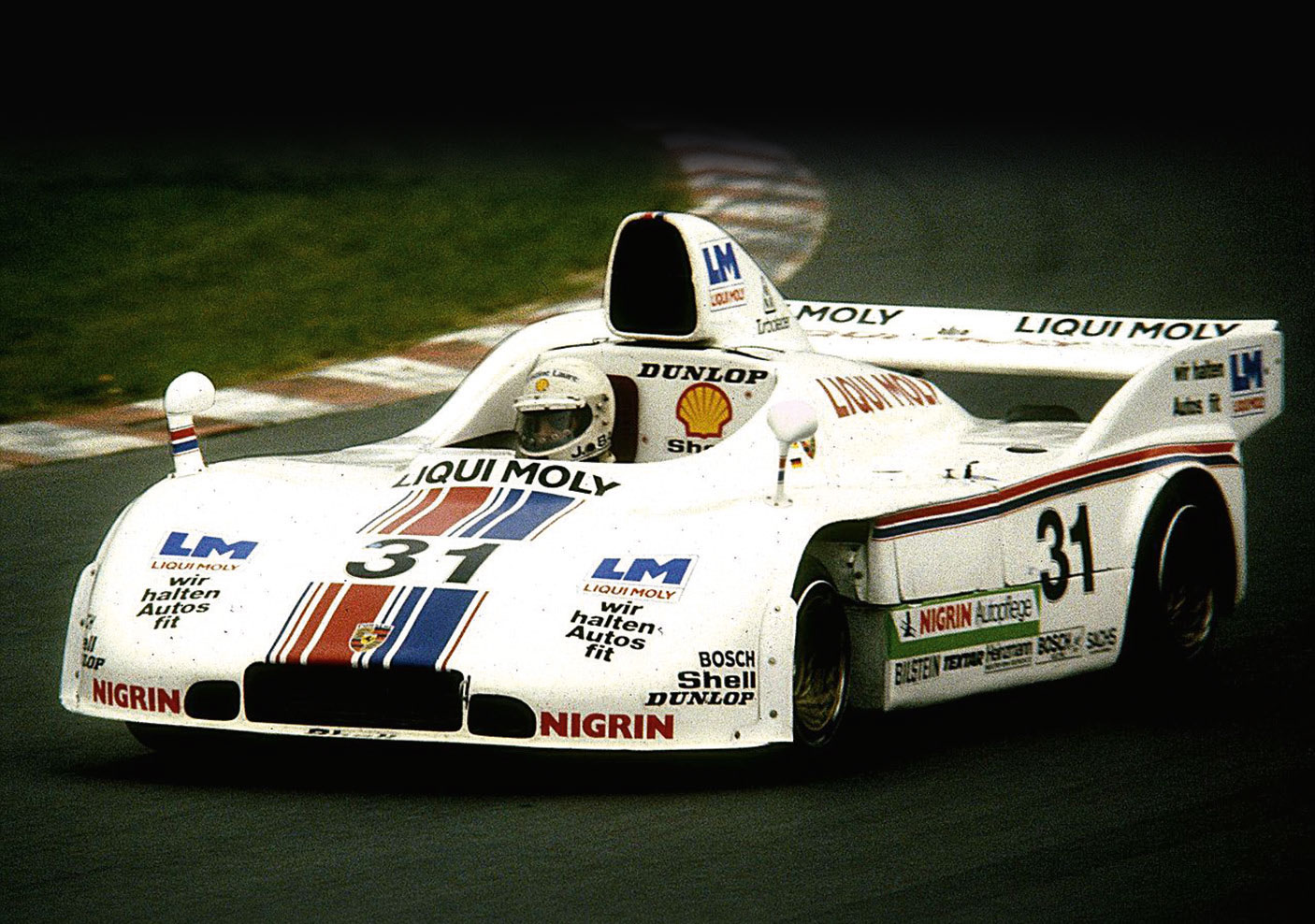
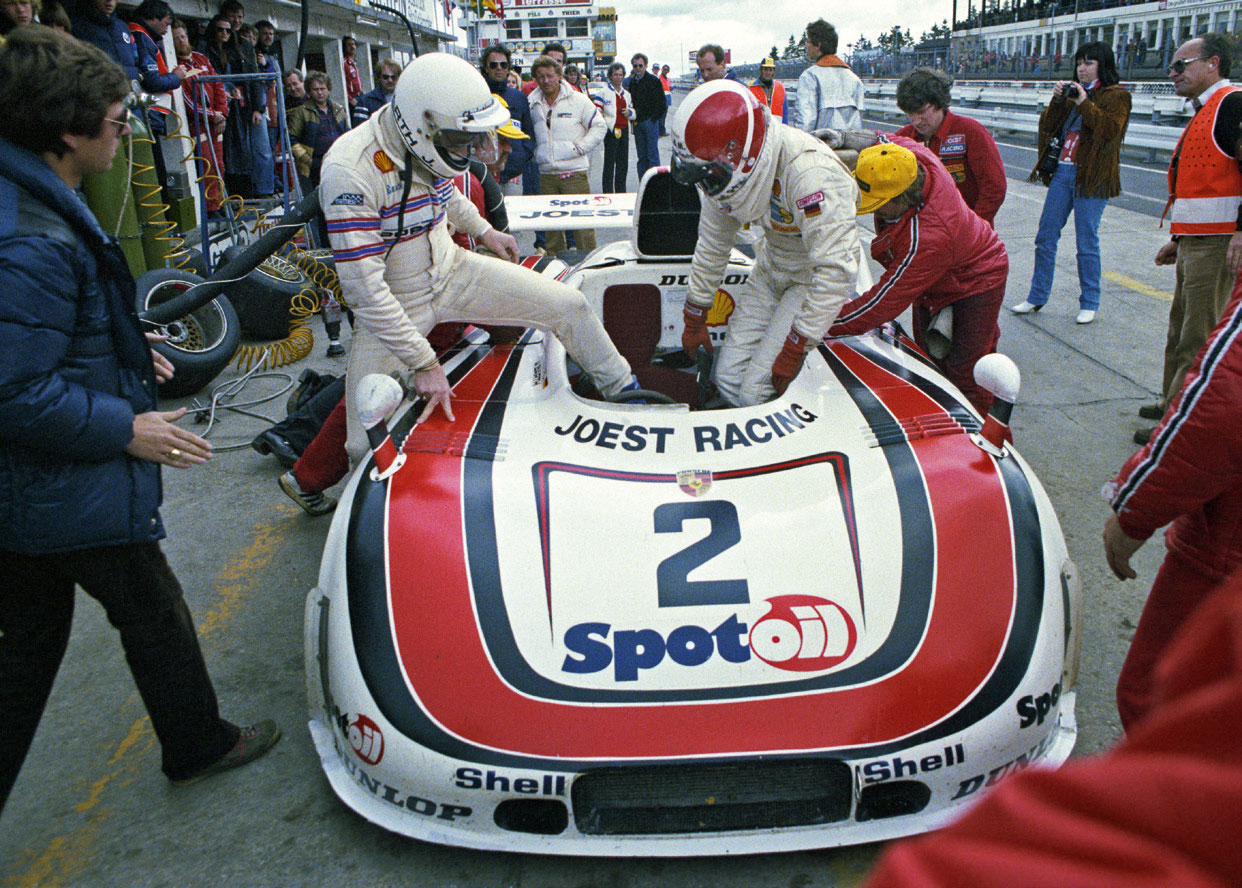
In this regard too, the following years, during which Jürgen Barth also repeatedly took the wheel for Reinhold Joest's team, were a veritable recovery. Here he drove the albeit aging, but thanks to meticulous preparation very reliable Porsche 908/3 and 908/3 Turbo versions. And although the naturally aspirated 908/3 was comparatively weak in terms of engine power, excellent results in the overall standings also emerged, with four third and five fourth places in races for the Manufacturers„ Championship, the World Sportscar Championship, and the Interserie between 1975 and 1977 alone. A crowning achievement of his time at Joest was certainly his overall victory at the 1980 Nürburgring 1000 km race with Rolf Stommelen in the Porsche 908/3 Turbo. ‚Reinhold Joest's team was the best one could imagine. I also got along well with Rolf, but he was always fiddling with the ‘turbo screw‚ and put great strain on the brakes. When I got in, I first had to turn down the boost pressure and let the brakes recover. It was funny, when looking at all the lap times, that although he repeatedly set great times, I was faster over the distance. I then also had the bad luck of a slow puncture on the back straight and had to drive one lap of the Nordschleife very carefully. At the beginning of the ‘Döttinger Höhe“, the tire had completely disintegrated, I stopped and pulled off the tire carcass to avoid causing any body damage – we still won."
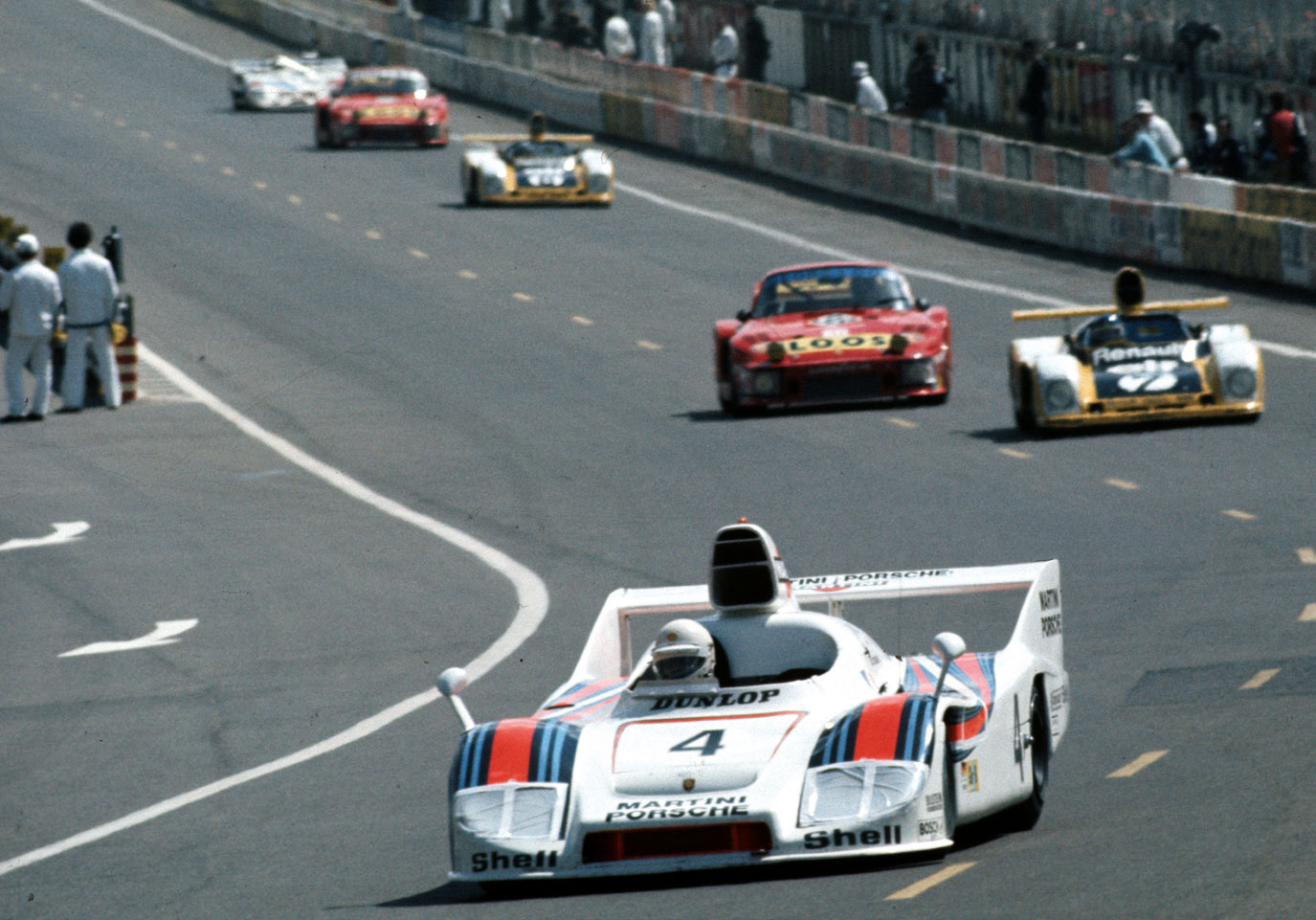
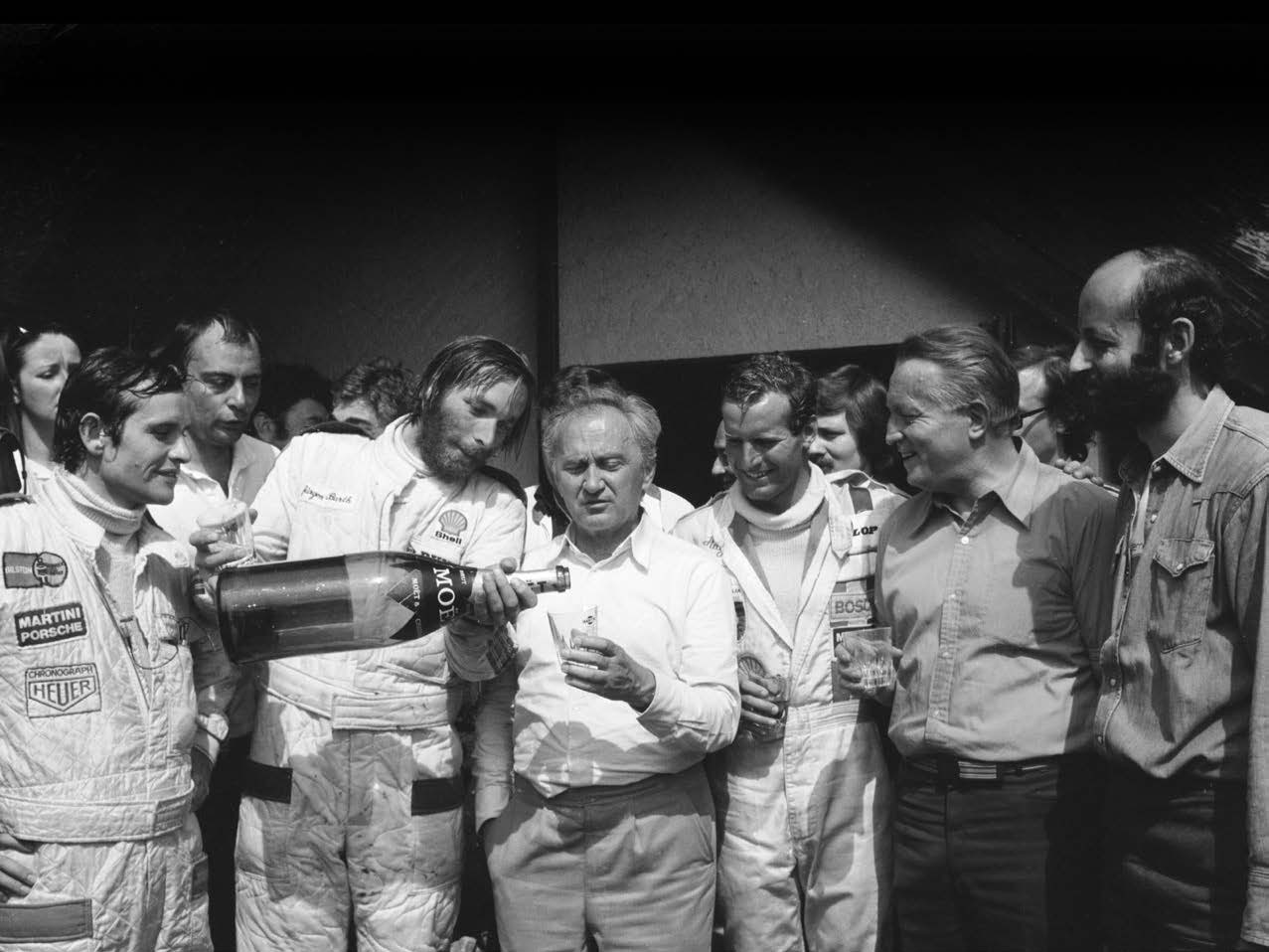
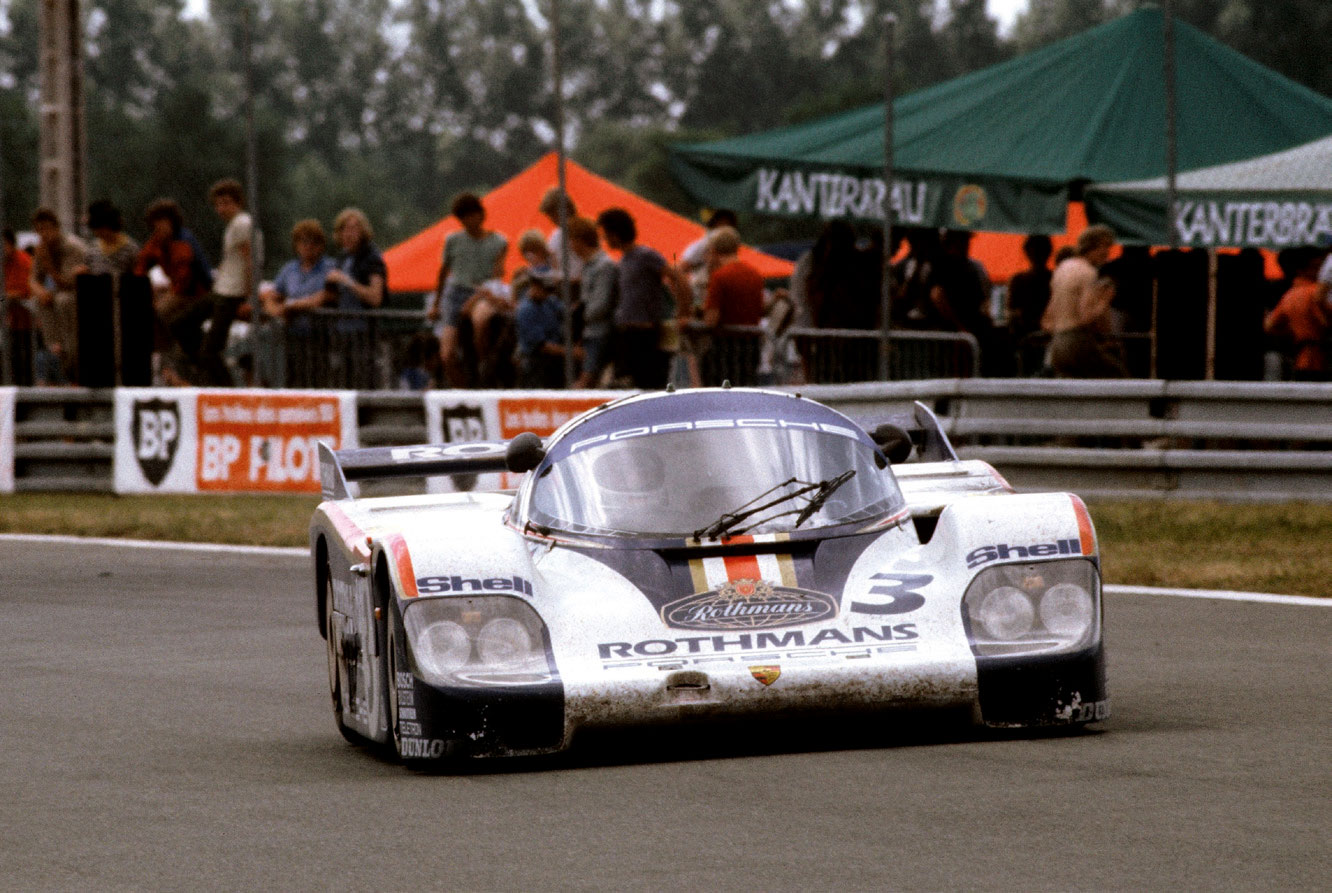
At this point, he had also been repeatedly employed as a Porsche factory driver, and in the process, he had achieved what was arguably the greatest triumph of his racing career: winning the 1977 24 Hours of Le Mans overall in a Porsche 936 alongside Jacky Ickx and Hurley Haywood. It initially didn't look like it would happen at all, as the Barth/Haywood 936 had fallen far behind early in the race due to a fuel pump replacement. After the second 936, driven by Ickx/Pescarolo, retired with engine failure, Porsche race management put Jacky Ickx as the third driver in the Barth/Haywood car, which was permitted by the regulations within a team. Ickx brought the remaining 936 back up to fourth place overall in the closing hours, and then they had great luck in the „war“ – on Sunday, all three leading Renault-Alpines ahead of them retired with engine damage. An hour before the finish, however, the Porsche had to pit with cylinder damage, but still had a 16-lap lead over the Mirage GR 8-Renault of Jarier/Schuppan. At Porsche, they waited until just a few minutes before the end of the race, then Jürgen Barth virtually „carried“ the car around the track for two more laps with a smoking engine, thereby definitively securing the victory. In 1978, he finished second overall at Le Mans again in a factory 936, and in 1982, he finished third overall in a factory 956. Is there a kind of „basic law“ for great successes at Le Mans? „You should drive your own race,“ philosophizes Jürgen Barth, "which was even more important back then than it is today, because the technology wasn't as advanced then, and the drivers didn't have hydraulic and electronic aids like they do today. It was all the more important to understand the race car's technology well and get the best out of it."
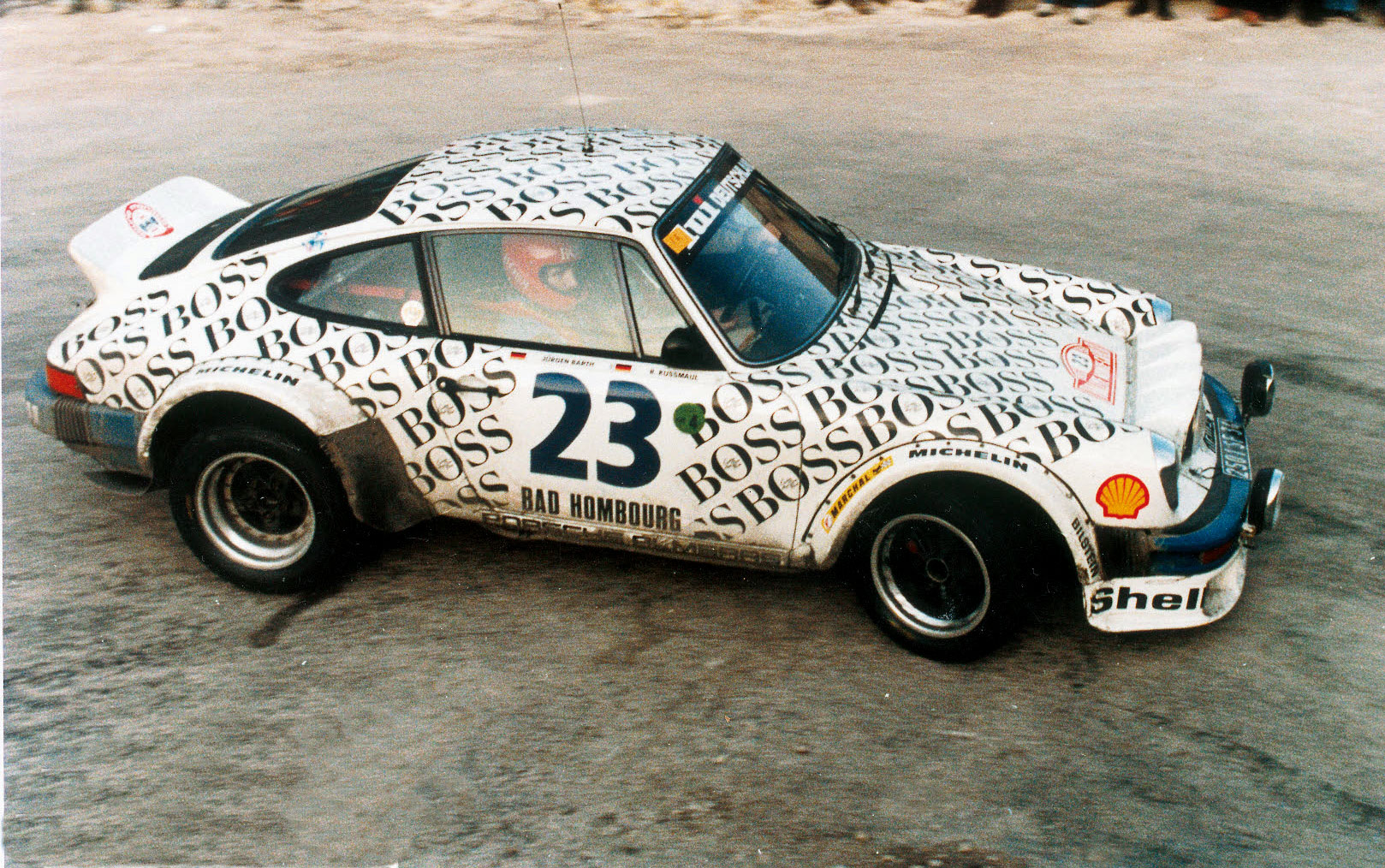
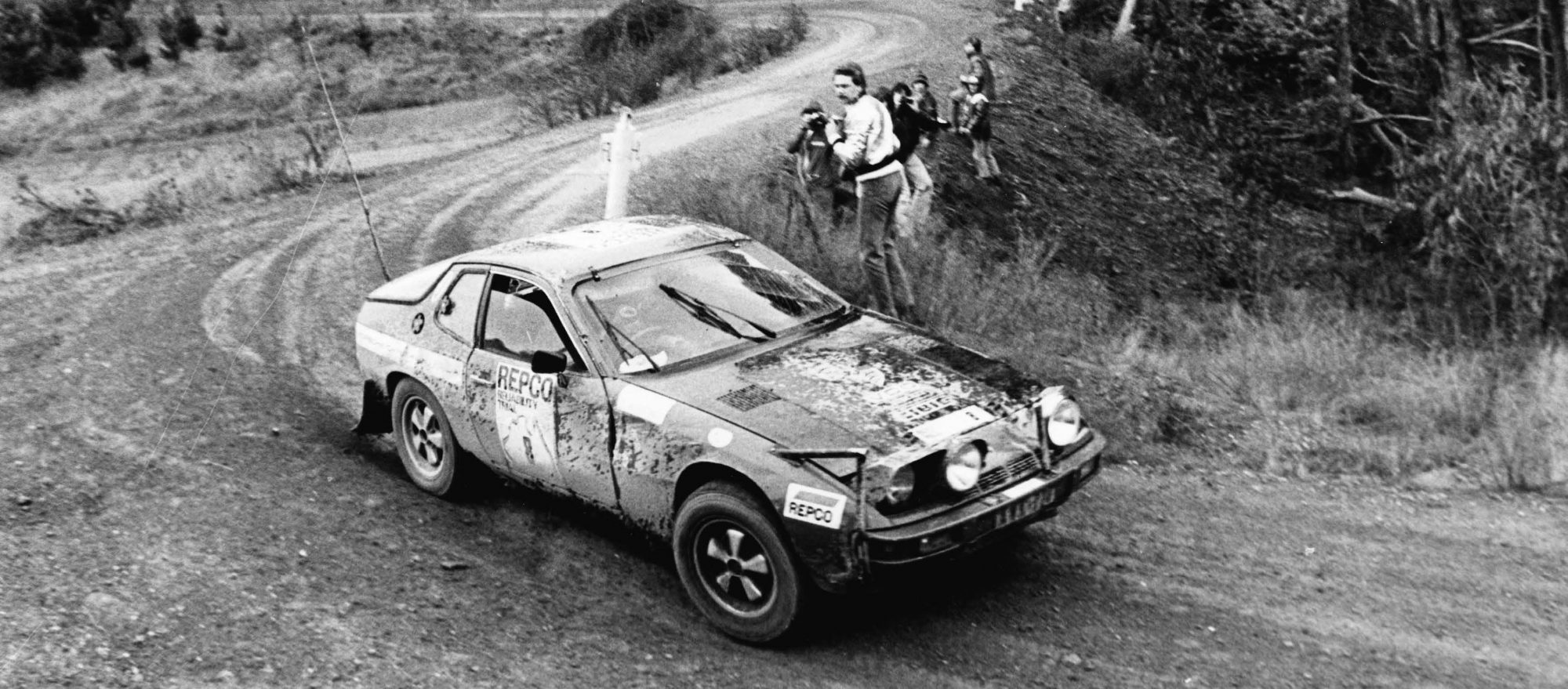
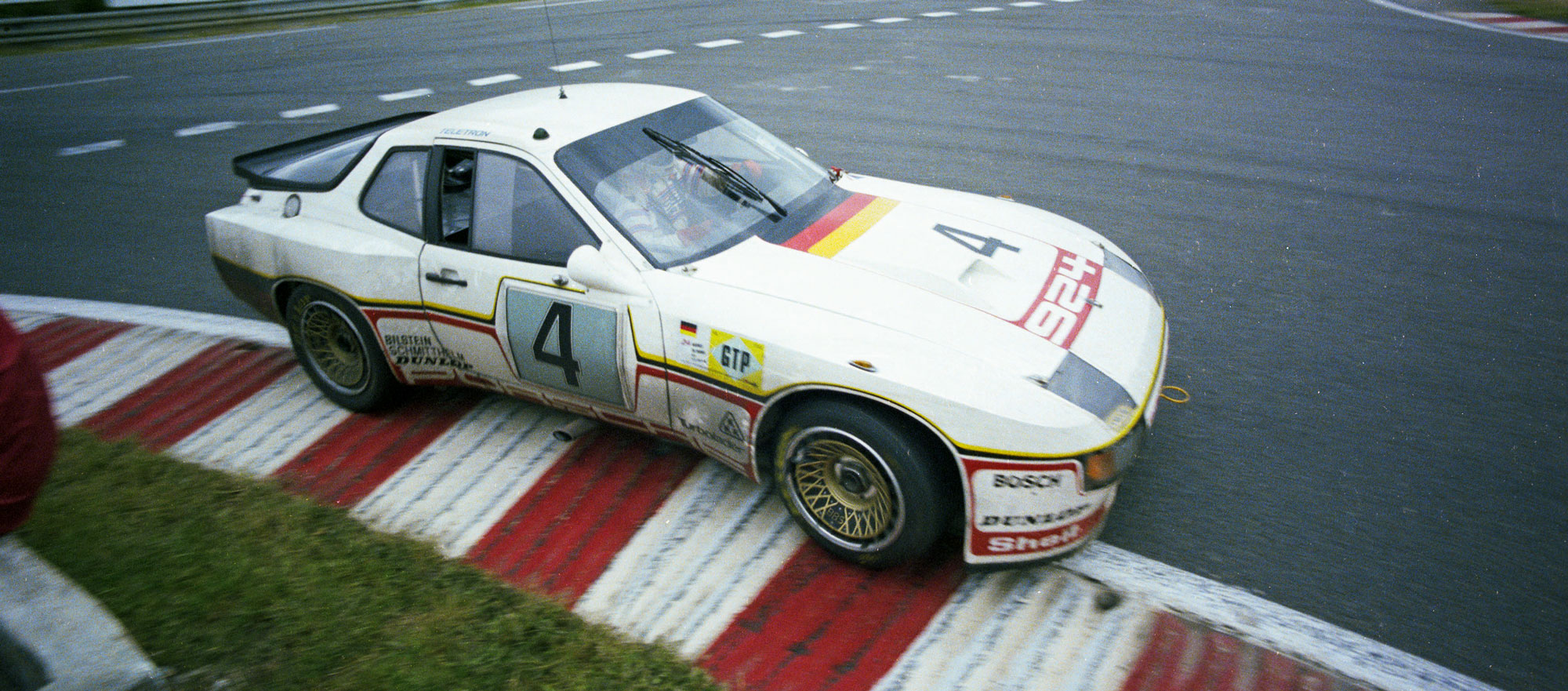
In those years, he was also repeatedly a driving force behind rally projects with new Porsche competition cars, which he then presented at major international rallies as a successful driver, usually with Porsche engineer Roland Kussmaul in the co-driver's seat. Between 1979 and 1983 alone, he achieved overall placings of 20th, 19th, 10th, and 9th at the Monte Carlo Rally with the 924, 924 Turbo, 924 GTS, and 911 SC 3.0 types, including class podium finishes. At the 1979 Repco Rally Australia, he won his class in the Porsche 924 in Group 4 up to 2,000 cc and finished eighth overall. „In my soul, I'm actually a rally driver,“ he explains his ambitions in this regard, „the longer an event lasts, the better. And the rallies back then, with around 6,000 kilometers in five days through Africa or at the Monte through snow and ice, were always a special challenge. Take the Monte special stage ‚Col de Turini‘: it was 28 kilometers long, with about eight kilometers of snow and ice at the summit; we still used slicks because it was faster overall, but on the downhill sections, you had to drive your car very slowly, leaning against the snowbanks, and have good control.“
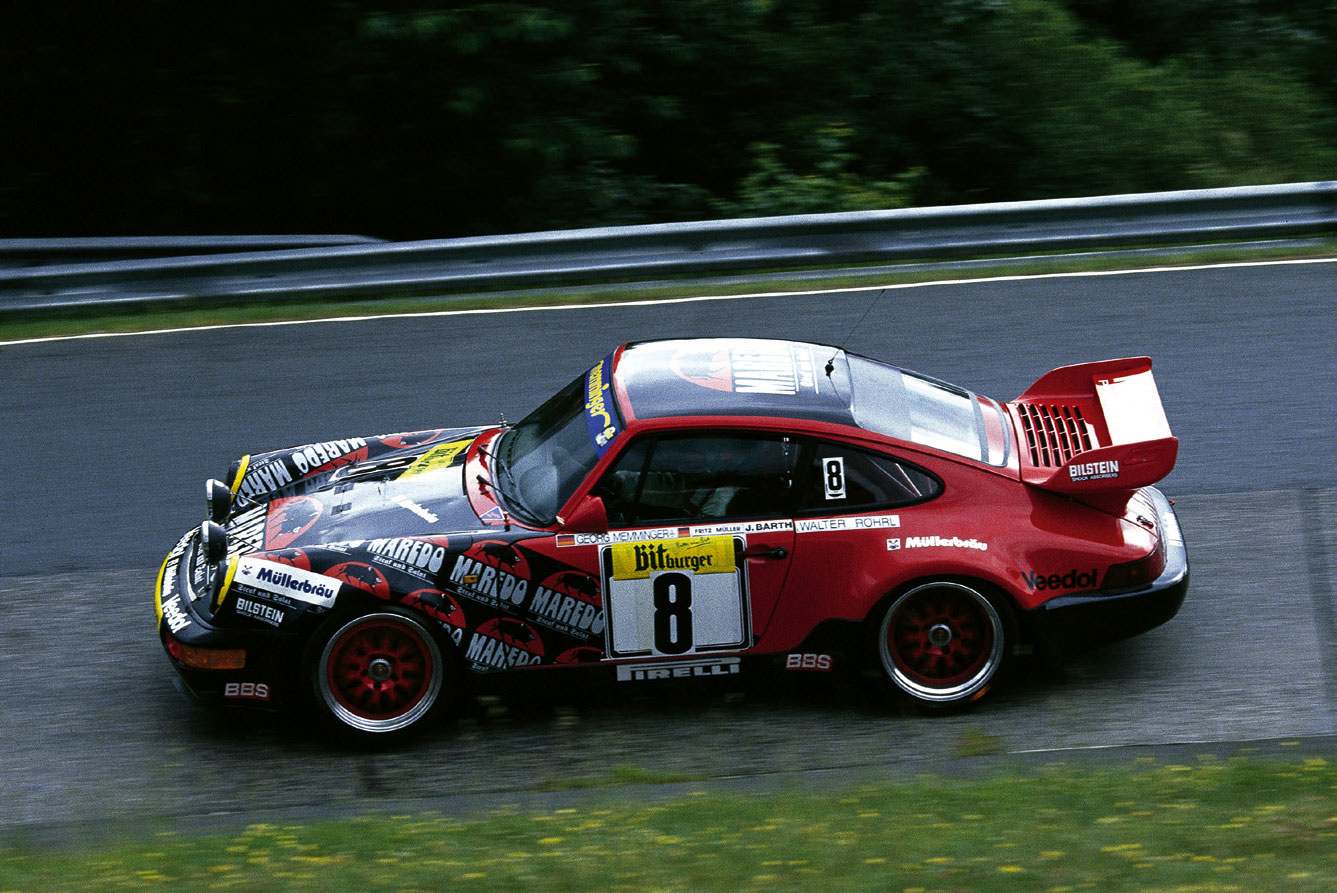
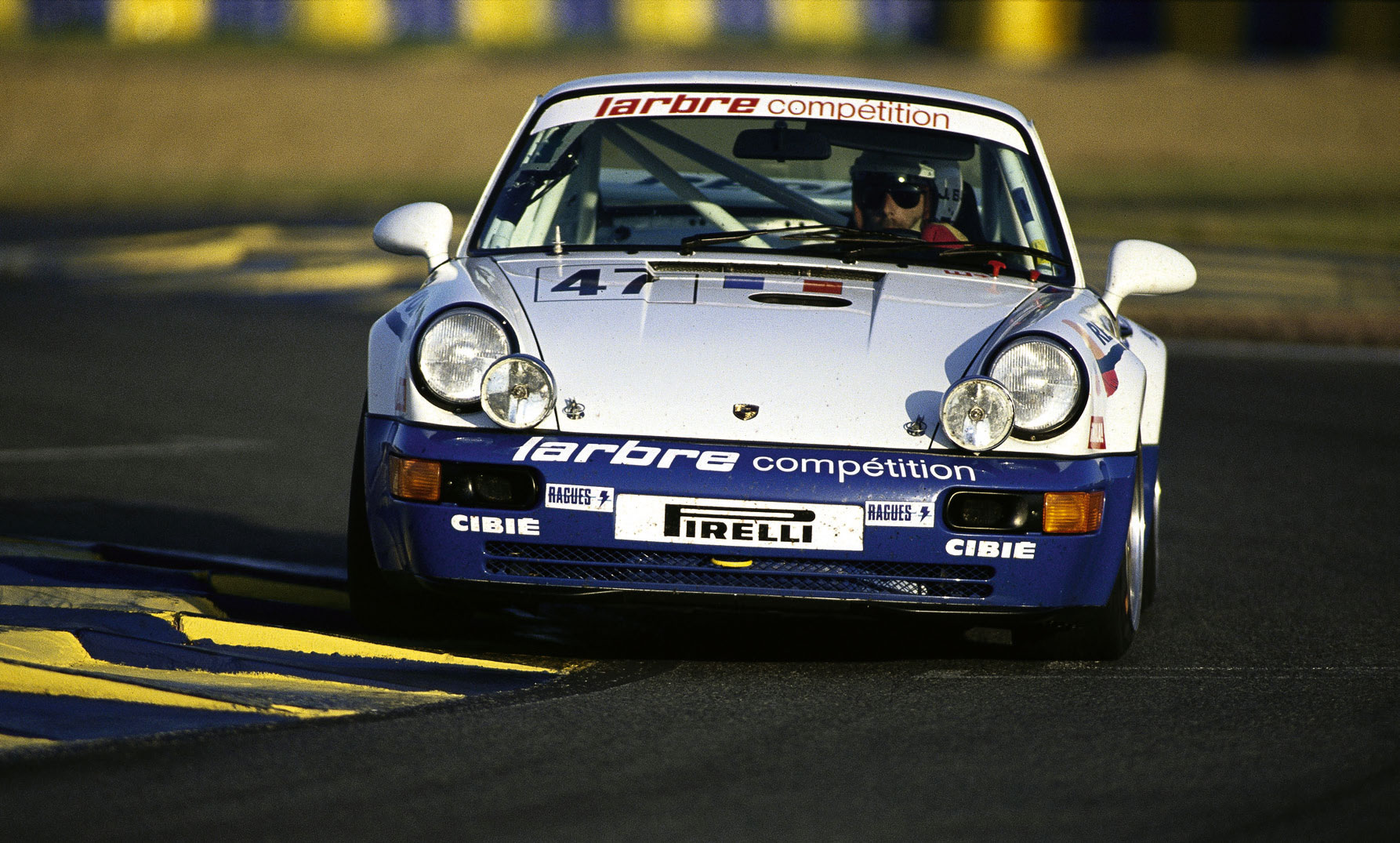
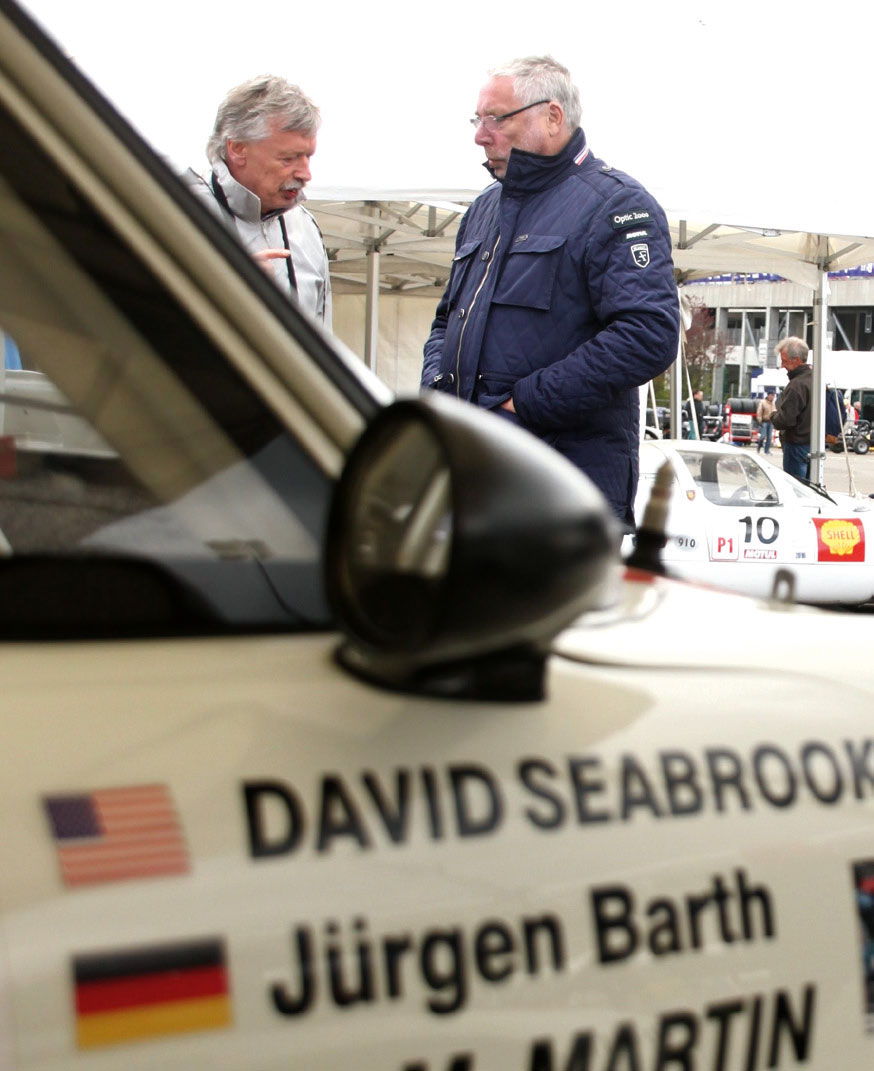
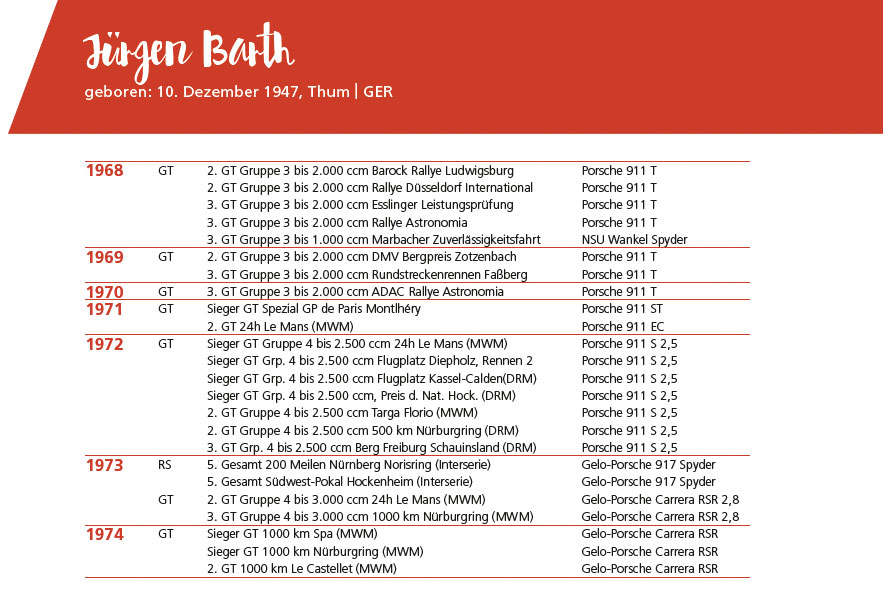
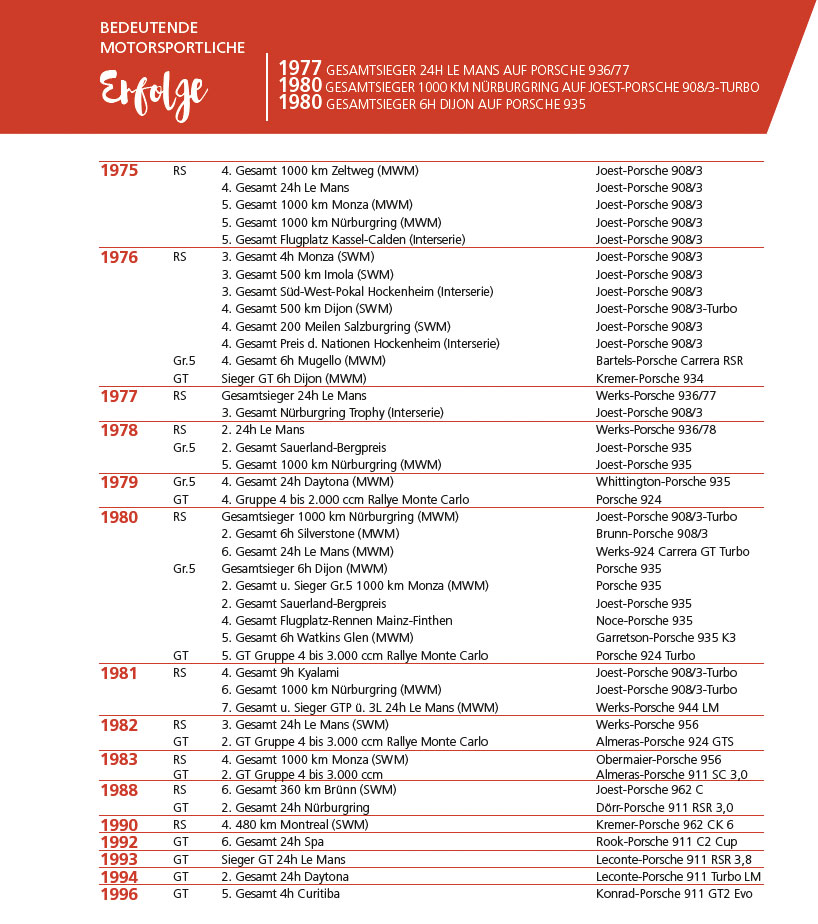
Jürgen Barth also took on many motorsport-related positions, some of which were offered to him and others he helped initiate. For example, from 1982 to 1986, he was President of the FIA's Sportscar Commission. From 1984 to 1989, he was a founding member of the OSCAR organization, responsible for the organization and promotion of FIA Group C races. From 1989 to 1994, he was the driver representative for the ONS. From 1990 to 1995, he was a permanent scrutineer for the DTM/ITC. In 1994, he co-founded the BPR racing series for GT endurance races and subsequently organized the first international race in China. From 1999 to 2016, he represented all automobile manufacturers on the FIA Historical Commission. The man knows all facets of motorsport.
And throughout all the time until today, he has never really stopped racing and rallying, and he has been winning again and again in historic motorsport for many years. He still does physical training too, „a little bit.“ „When I'm home, I go to the gym for an hour every day, but I'm not home 250 days a year...“